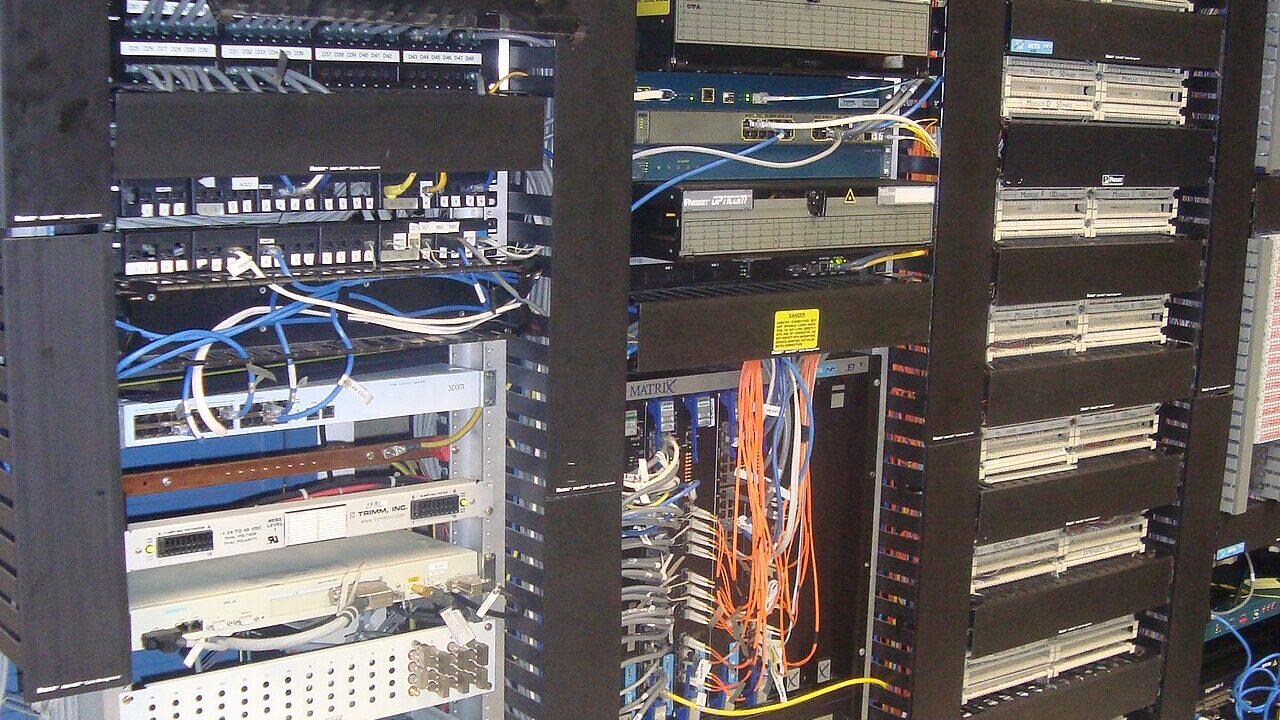
AMD beat Wall Street expectations as it pivoted to a data centre first strategy, according to company headlines on Wednesday, in a result that says as much about where computing is going as about one company quarter. Data centres now drive the most valuable part of the chip market, because artificial intelligence training and inference run on server hardware at a scale that phones and laptops cannot match. A company that wins there wins the growth story, even if its consumer business grows more slowly.
Why it matters
The pivot is not simply a marketing label. It means prioritising server processors, accelerators and the software stack that lets customers deploy them efficiently, ahead of the traditional product cycles that once defined the chip industry. That shift requires long lead times, close work with cloud providers and a willingness to accept lumpier revenue, as large customers place orders in waves rather than in steady quarterly streams. Investors rewarded the result because it suggested the wave is still building, not fading.
There is a broader context that should temper enthusiasm. Headlines on Wednesday also warned that AI debt is hitting record levels at the worst possible time, and that the control of AI over the bond market is growing. Those warnings do not cancel a strong AMD quarter, but they explain why markets can celebrate an earnings beat and worry about valuations in the same session. The question is not whether AI demand is real, because it plainly is, but whether the financing behind it can sustain the pace of building.
What happens next
For businesses outside technology, the AMD result is a useful leading indicator. Data centre investment shows up first in chip orders, then in construction, power demand and enterprise software spending, and only later in productivity gains for ordinary firms. A strong quarter therefore hints at continued infrastructure spending, even as other sectors report weaker demand. It does not guarantee that spending will be profitable, but it does suggest the build out has not yet hit its limit.
What to watch next is guidance rather than the headline beat. Chip companies live or die on what they say about the next two quarters: order visibility, supply constraints, pricing and customer concentration. If AMD can show that data centre demand is broadening beyond a handful of cloud giants, the pivot looks durable. If demand narrows, the beat will look like a peak. Wednesday gave investors a reason for optimism, and a clear test for the next report.