
Britons are being urged to “take advantage” of tax-free savings accounts if they are at risk of being hit with a tax on interest. Savings interest rates continue to be relatively high with the average one-year fixed rate account offering 4.62 per cent as of today, according to Moneyfacts.
The best one-year fixed rate ISA (Individual Savings Account) is currently 4.51 per cent. However, 1.4 million bank customers face losing out on this bolstered savings interest due to being taxed.
The central bank’s Monetary Policy Committee (MPC) voted six-to-three to keep the UK’s base rate at 5.25 per cent and predicted inflation is expected to drop below two per cent by as soon as summer.
Savers have benefited from the hiked interest rates on savings accounts however any interest earned is under threat by tax legislation.
Do you have a money story you’d like to share? Get in touch by emailing money@gbnews.uk.

Savers at risk of paying tax on interest, experts warn
GETTY
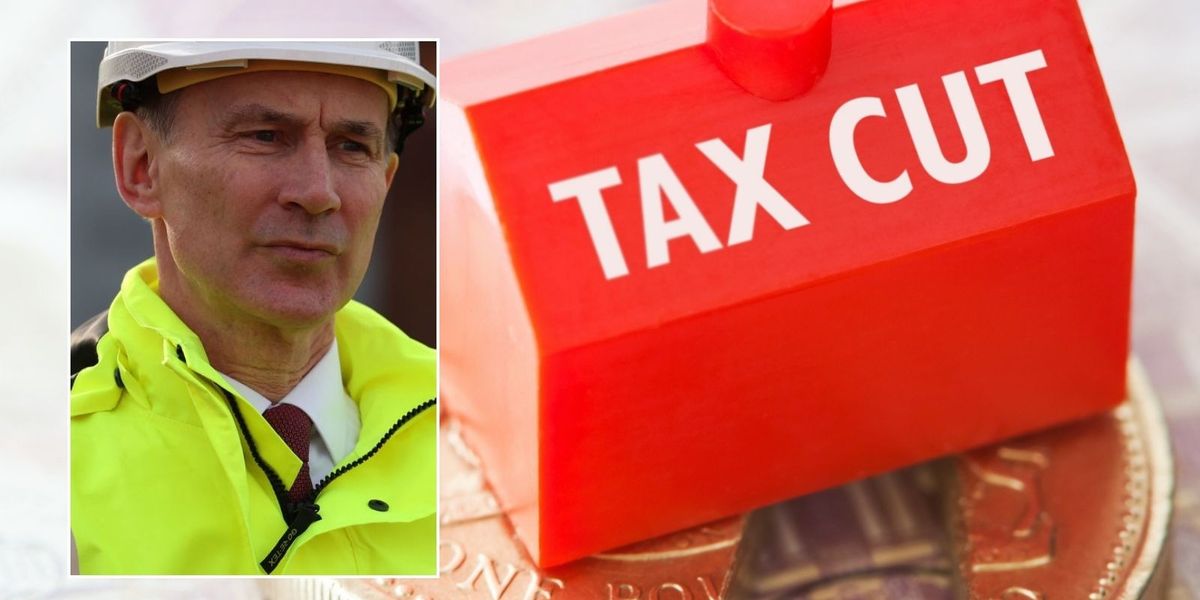
The recent trend of wage increases combined with the Government’s decision to freeze tax thresholds until 2028 mean savers could be hit with a tax bill on any interest earned on their savings.
Due to fiscal drag, more taxpayers are finding themselves inadvertently dragged into higher tax brackets and paying more money to HM Revenue and Customs (HMRC), and the amount of interest they can earn tax-free via the personal savings allowance could also be cut.
Recently, Coventry Building Society warned that 1.4 million taxpayers are set to be dragged into a higher tax bracket, jeopardising their ability to access the full personal savings allowance.
Rachel Springall, a finance expert at http://Moneyfactscompare.co.uk , called on savers to consider ISAs as a potential account option to protect their money.
She explained: “Cash ISA variable rates on easy access ISAs have risen month-on-month and we are already seeing providers gear up for ISA season with new deals and attractive rates.
“It is wise for consumers to take advantage of their ISA allowance, particularly if they are a higher rate taxpayer, as the current best rates could see them breach their personal savings allowance.”
The allowance for basic rate taxpayers is currently £1,000 and is the amount someone can save without accruing tax on any interest.
However, if someone is pulled into the higher rate, the allowance is halved to £500. Additional ratepayers will not receive an allowance.It’s possible to deposit up to £20,000 per year into an ISA.
 Families are being dragged into paying tax due to the threshold freezes GETTY
According to Moneyfacts’ finance expert, bank customers should not be “apathetic” to the current account deal they have.
Ms Springall added: “As we have seen in the past, any cuts to base rate, or indeed expectations for interest rates to drop, can have a notable impact on variable savings rates, so it will be interesting to see how resilient the market will be in the months to come.
“Savers must not be apathetic and assume they are benefitting from rate rises on their existing account.
“It is imperative consumers are proactive to review and switch their savings account if their loyalty is not being rewarded.”
24World Media does not take any responsibility of the information you see on this page. The content this page contains is from independent third-party content provider. If you have any concerns regarding the content, please free to write us here: contact@24worldmedia.com
Latest Posts
Nigel Farage threatens NatWest with court proceedings to resolve debanking scandal


Amazon delivery driver ‘desperate’ for toilet smashed head on into car

Ricky Norwood set for ITV Dancing on Ice axe as dance expert exposes worrying ‘narrowing down’ trend

HMRC to give hundreds of thousands of households a £300 tax-free payment from today
The culpability for this recession must surely lie with the Bank of England

BBC The Apprentice viewers slam ‘awkward editing’ as contestant cut from spin-off show
BBC to air Steve Wright’s final Top of The Pops appearance amid backlash for treatment of late star
I point the finger of blame far more at the Bank of England than the government on recession