
The future of the TV licence fee is one of the most contentious financial topics to arise in recent years amid the cost of living crisis. Many households struggle to pay the annual cost to watch live programming in their home and access BBC services.
The licence fee currently costs £159 a year and, following the end of a freeze, it’s set to rise to £169.50 from April. TV Licensing has clamped down on those avoiding the fee with fines and, sometimes, prosecutions.
Currently, the existence of the licence fee is guaranteed until December 31, 2027. A review of what future funding for the BBC will look like is underway with Culture Secretary Lucy Frazier saying it is necessary to make sure the model is “fair to the public”.
The Government has floated exploring alternative funding models for the BBC in the past, including subscription services but such proposals are misguided. A public broadcaster is a much-needed service and moving to a subscription service model won’t be any less expensive for low-income households.
Do you have a money story you’d like to share? Get in touch by emailing money@gbnews.uk.
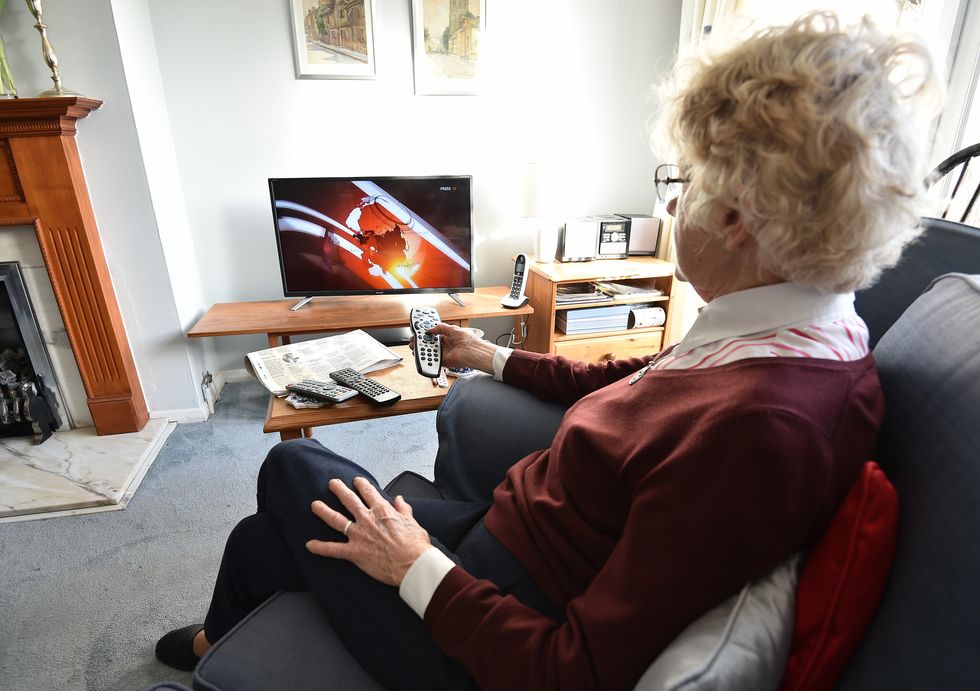
The licence fee has become a contentious issue in recent years
PA IMAGES
Through the licence fee, the BBC provides households eight national television channels, 10 network radio stations and a variety of online services, including BBC iPlayer. As part of its remit as a public broadcaster, educational services are provided which were vital for families during the pandemic.
Much of the debate around the licence fee has centred around the supposed bias of the BBC but a public broadcaster is needed in some form in this country. Whether it is facilitating educational services or propping up our cultural sector, the BBC is a much-needed public utility.
According to TV Licensing, 86 per cent of the levy goes towards funding for TV channels, radio stations and online services. For every £1 taken in licence fee payments, just 5p is spent on collection and pension deficit costs.
As part of the 2010 licence fee settlement, a portion of the licence fee goes towards Freeview and Freesat, paying for the country’s broadband rollout and funding local TV channels, as well as the Welsh language station S4C.
Scrapping the licence fee would put much of this cultural output at risk and disenfranchise communities even further. There is already a funding gap for many of these services due to the recent two-year freeze on the licence fee.
Despite the appeal of the BBC as an optional streaming service, many of the big streamers are loss makers for Hollywood and are not required to serve the country in the unique way a public broadcaster should.
 The TV Licence fee will increase by 6.7 per cent in April 2024GETTY
What I think critics of the licence fee are right about is the unfairness of the flat rate every household pays in order to pay for the BBC and other services, regardless of the salary they’re on.
A low income worker will pay the exact same as a higher earner for their TV licence.
This is clearly unfair and breeds resentment among people who otherwise would support the Beeb. Former bosses of the BBC have also recently come out in favour of wealthier Britons paying more towards the licence fee.
Making households in higher tax brackets pay more towards the upkeep of our public broadcaster is the only way forward.
Whether people like it or not, the BBC will continue to exist in some capacity. We may as well make it affordable going forward.
24World Media does not take any responsibility of the information you see on this page. The content this page contains is from independent third-party content provider. If you have any concerns regarding the content, please free to write us here: contact@24worldmedia.com
Latest Posts
Nigel Farage threatens NatWest with court proceedings to resolve debanking scandal

Amazon delivery driver ‘desperate’ for toilet smashed head on into car
Ricky Norwood set for ITV Dancing on Ice axe as dance expert exposes worrying ‘narrowing down’ trend

HMRC to give hundreds of thousands of households a £300 tax-free payment from today
The culpability for this recession must surely lie with the Bank of England
BBC The Apprentice viewers slam ‘awkward editing’ as contestant cut from spin-off show
BBC to air Steve Wright’s final Top of The Pops appearance amid backlash for treatment of late star
I point the finger of blame far more at the Bank of England than the government on recession