Artificial intelligence stocks continued to weaken on Thursday as investors digested the implications of the Democratic sweep in the US midterm elections, even as oil prices held below 100 dollars a barrel and Treasury yields dropped to recent lows. Shares of chipmakers, neocloud operators and key AI infrastructure firms fell on Wednesday and extended their slide in overnight trading, while Nasdaq futures fell 0.7 percent. The selling was not about earnings. It was about regulation, and about what a new Congress and a wave of newly elected Democratic governors might do to the largest building programme in American industry.
Why it matters
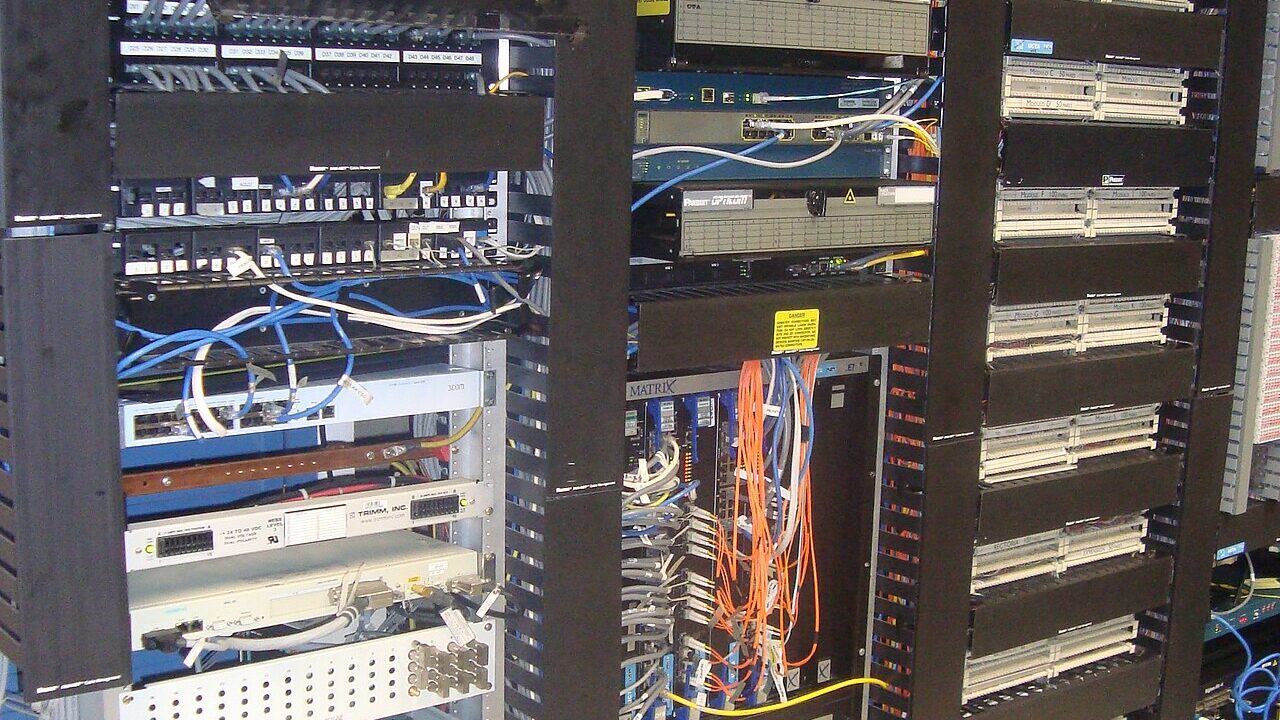
The scale of what is at stake is now quantified. A report by ICICI Bank said the election outcome could put 141 gigawatts of planned data centre capacity at greater risk of policy restrictions, potentially slowing artificial intelligence infrastructure investment. Texas, Georgia and Ohio together account for nearly 33 percent of the country operating and planned data centre capacity, and all three states elected Democratic governors on Tuesday. Those three states hold a combined 156 gigawatts of capacity, of which around 141 gigawatts is still planned and only 15 gigawatts is operational.
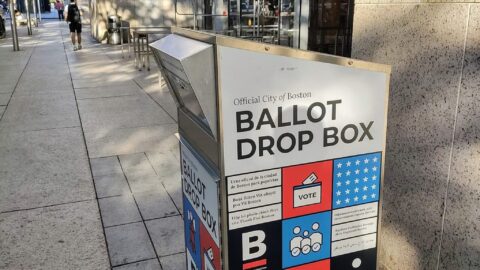
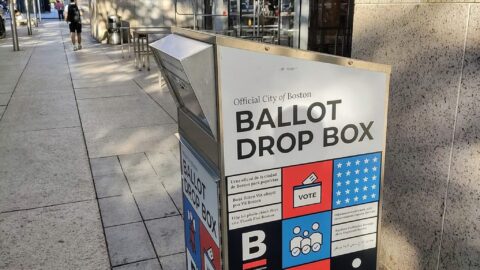
Voters added their own pressure from below. Voters in at least 29 US jurisdictions approved bans or restrictions on data centre construction, reflecting broad public opposition to AI infrastructure expansion over energy use, water and local disruption. Arizona Representative Yassamin Ansari called on Wednesday for a pause on advanced AI development until adequate regulations are in place, as well as a ban on artificial superintelligence. That is a fringe position today, but it shows the direction of travel in a Congress that will now scrutinise semiconductor exports, competition, data centre energy use and AI capital spending.
What happens next
Not everyone reads the selloff the same way. Goldman Sachs argued in a research note that tech giants may instead pull capital spending forward into 2027, rushing to build under current approval conditions before new policies take effect. Morgan Stanley expects US business investment to rise about 7 percent year on year in the fourth quarter of 2026 and 8 percent in 2027, with AI related spending a major part. The disagreement is really about timing: whether regulation slows the build, or accelerates it by creating a deadline.
For investors, the practical question is selectivity. The VanEck Semiconductor ETF has fallen 20 percent over the past month, and the gap between companies with real data centre revenue and those with only promises is widening. AMD results this week showed demand is still strong. The market is now asking a harder question: strong for whom, under what rules, and at what cost in power, permits and politics.