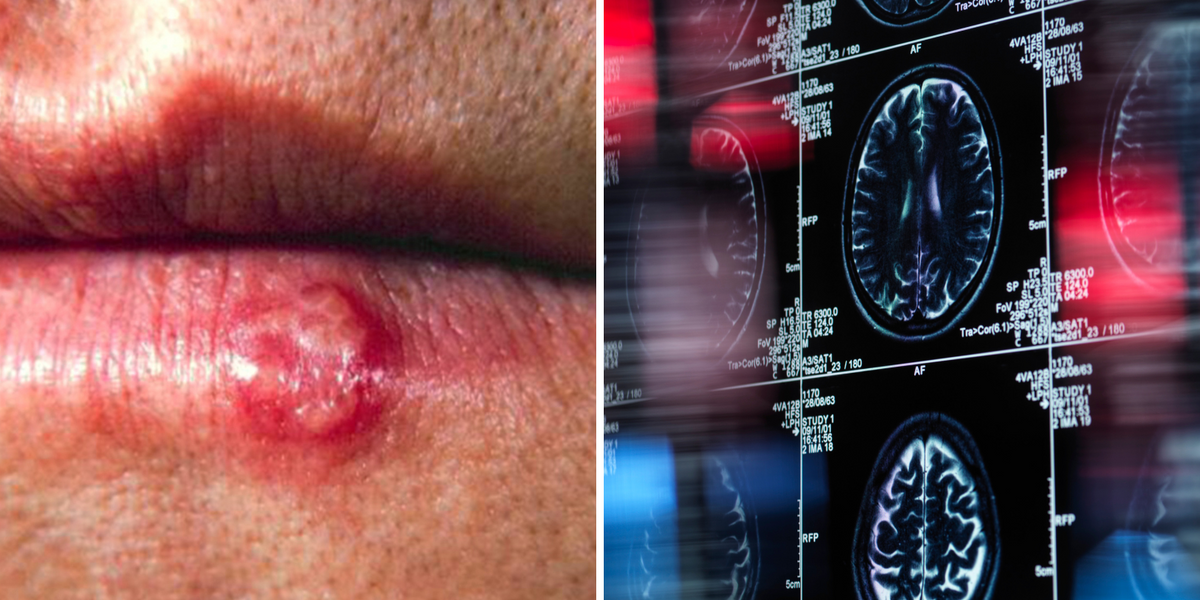

Dementia is a syndrome associated with an ongoing decline of brain functioning.
It is not just about memory loss. Someone with dementia may also experience changes in the way they speak, think, feel and behave.
According to new research, it’s possible to reduce your risk of suffering from it later in life if you get an optimal amount of sleep – around six to eight hours a night.
Neuroscience Research Australia chief executive and Brain Foundation president Matthew Kiernan said that sleep is great for brain health.

Sleep for between six to eight hours hours per night
GETTY IMAGES
He explained that during a deep sleep, the glymphatic system is activated.
The glymphatic system is “really a reservoir that puts all of the fluid through the brain and cleans out toxic chemicals”.
“It only becomes active when we’re in the deepest REM (rapid eye movement) sleep,” he said.
The expert claimed it’s important to get between six and eight hours of sleep per night.
Research by Harvard Medical School corroborated this, telling people to sleep between six and eight hours per night and reduce their risk of developing the syndrome.
In the study, researchers looked at more than 2,800 individuals aged 65 and above participating in the National Health and Aging Trends Study to examine the relationship between their self-report of sleep characteristics in 2013 or 2014, and their development of dementia and/or death five years on.
They discovered that those who slept less than five hours per night were twice as likely to develop dementia – and twice as likely to die – than those who got six to eight hours of sleep per night.
This study controlled for characteristics including age, marital status, race, education, health conditions and weight.

Working late and eating into your sleep time may increase your risk of developing dementia
GETTY IMAGES
Andrew E. Budson, MD, wrote for Harvard Health Publishing: “Inadequate sleep in midlife may lead to dementia.”
He advised that those sleeping just five hours per night due to working late might want to change their habits in order to remain brain healthy – “you risk developing dementia by the time you retire!”.
This comes as doctors have found 15 factors that “threaten the brain” and increase risk of illness in under 65s, including dementia.
Some of these factors are out of our control, such as lower formal education and two copies of the APOE4 gene, however others, such as social isolation and alcohol use disorder are more manageable.
24World Media does not take any responsibility of the information you see on this page. The content this page contains is from independent third-party content provider. If you have any concerns regarding the content, please free to write us here: contact@24worldmedia.com
Latest Posts

Nigel Farage threatens NatWest with court proceedings to resolve debanking scandal


Amazon delivery driver ‘desperate’ for toilet smashed head on into car

Ricky Norwood set for ITV Dancing on Ice axe as dance expert exposes worrying ‘narrowing down’ trend

HMRC to give hundreds of thousands of households a £300 tax-free payment from today

The culpability for this recession must surely lie with the Bank of England

BBC The Apprentice viewers slam ‘awkward editing’ as contestant cut from spin-off show
BBC to air Steve Wright’s final Top of The Pops appearance amid backlash for treatment of late star

I point the finger of blame far more at the Bank of England than the government on recession