
Private landlords in the UK are set to benefit from a £70billion windfall from the Government while renters are paying an extra £1,200 a year, according to new research.
Analysis from the New Economics Foundation (NEF) is slamming policymakers for “subsidising a broken system” when it comes to the housing market.
The Government will pay private landlords with more than £70billion in housing support over the next five years, the think tank claims.
Based on analysis of official figures, landlords will get more than six times what the Government is expected to spend in the five-year period from 2021 and 2026.
Do you have a money story you’d like to share? Get in touch by emailing money@gbnews.uk.

Renters are paying more while landlords get subsidised by the Government
GETTY
This research comes alongside recent polling from the NEF which highlights how many tenants are coping with soaring rents, worsening property conditions and unacceptable treatments by landlords.
Some 40 per cent of private tenants that moved within the last year are paying an average £1,200 a year above rate that was initially advertised.
More than 20 per cent of these tenants have seen their landlords raise the rent mid-way through the tenancy without agreement.
Nearly 20 per cent of tenants polled have reported concerns about the environmental standards of the property to their local council with poor conditions potentially leading to costly energy bills and repairs down the road.
This comes after the Government pledged that the local housing allowance would be raised to make sure those claiming Universal Credit or Housing Benefit will be able to cope with hiked private rents.
In November 2023, private rent prices in the UK rose by 6.2 per cent year-on-year, according to the Office for National Statistics (ONS).
The NEF highlighted that this relief will be welcome for many but the new rates of support will be frozen from April.
According to the think tank, more public funds should be invested in affordable social housing instead of propping up a “broken” private sector.
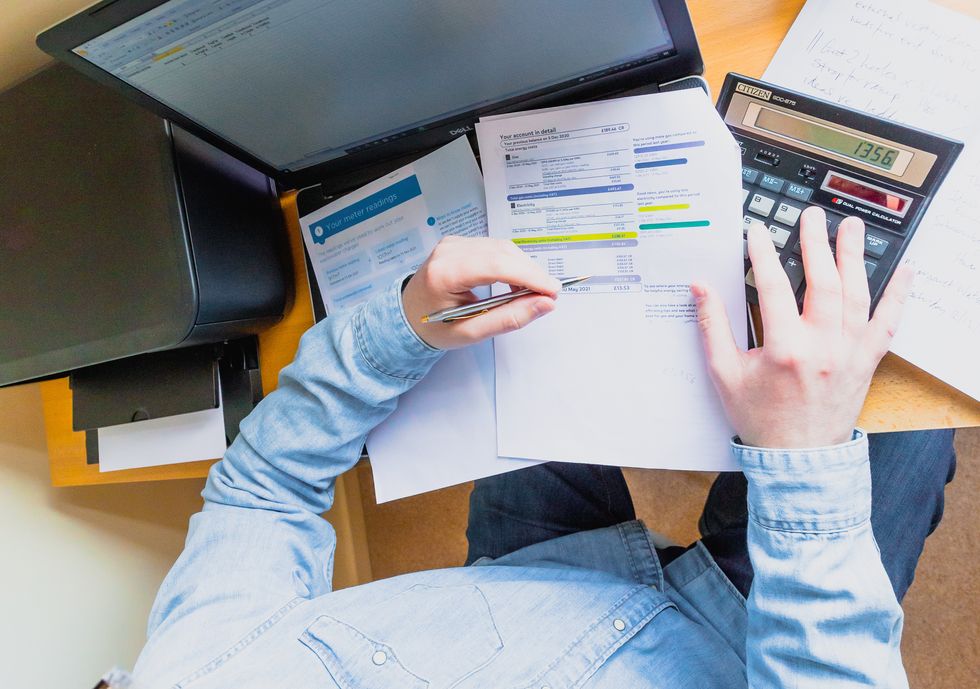
The cost of living crisis has pushed mortgage repayments and rent costs up
GETTY
Alex Diner, a senior researcher at NEF, warned that the current system “fails to deliver” for people who are renting.
He explained: “It is extremely inefficient for the government to be paying this money to private landlords when it should be building more new genuinely affordable homes and improving the quality and security of tenure for the homes we already have.
“To overcome this mess, the Government must build more social homes to meet the rising demand for affordable housing, reverse its u‑turn to loosen energy efficiency standards in the private rented sector and improve its plans to regulate private renting.”
Changes to the local housing allowance benefit payment rate will be implemented in April 2024.
24World Media does not take any responsibility of the information you see on this page. The content this page contains is from independent third-party content provider. If you have any concerns regarding the content, please free to write us here: contact@24worldmedia.com
Latest Posts

Nigel Farage threatens NatWest with court proceedings to resolve debanking scandal


Amazon delivery driver ‘desperate’ for toilet smashed head on into car

Ricky Norwood set for ITV Dancing on Ice axe as dance expert exposes worrying ‘narrowing down’ trend

HMRC to give hundreds of thousands of households a £300 tax-free payment from today
The culpability for this recession must surely lie with the Bank of England

BBC The Apprentice viewers slam ‘awkward editing’ as contestant cut from spin-off show

BBC to air Steve Wright’s final Top of The Pops appearance amid backlash for treatment of late star
I point the finger of blame far more at the Bank of England than the government on recession