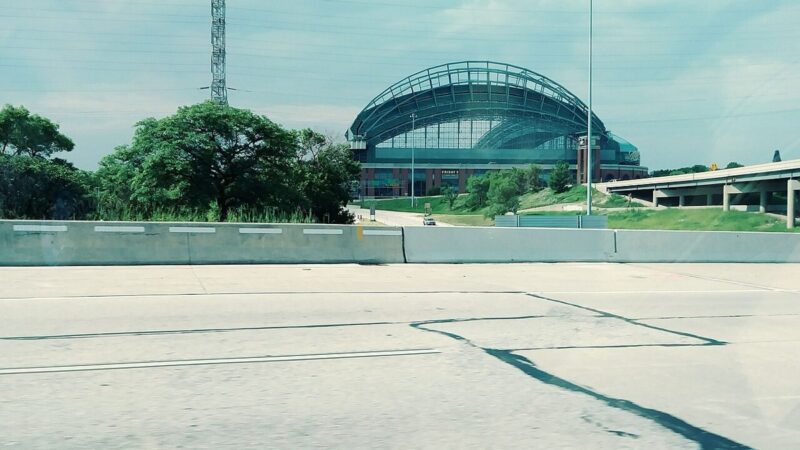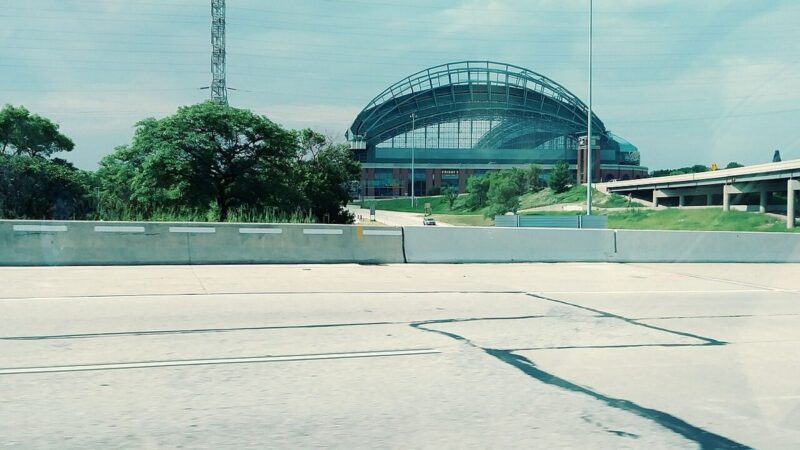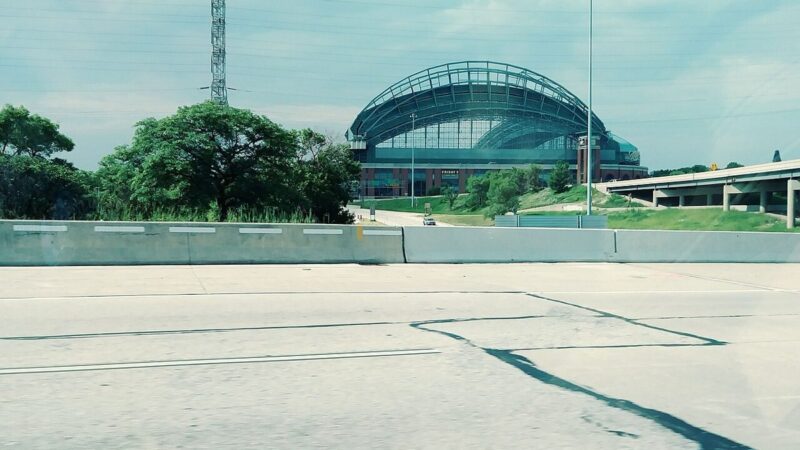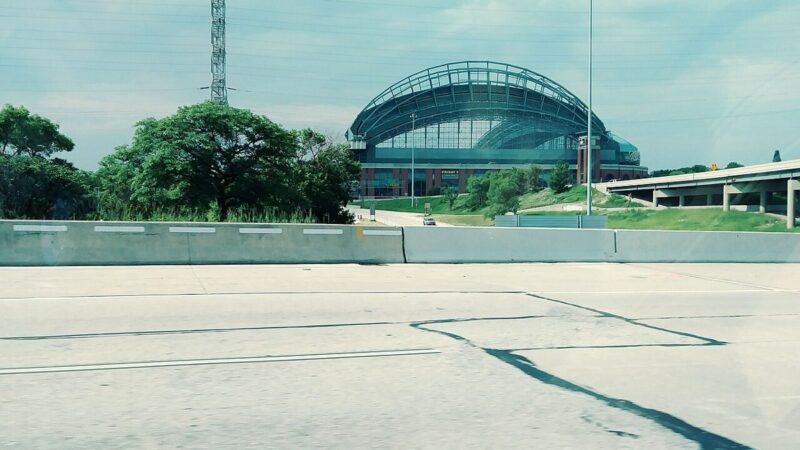
Championship parades are usually described in sporting terms. Friday’s Brewers parade should also be described in economic ones, because its scale changed the maths for downtown Milwaukee. Police estimated attendance above 750,000, nearly double the 400,000 organisers had prepared for, and a crowd of that size does not just fill streets: it fills hotels, restaurants, bars, car parks and shops, many of them in a downtown that had two days to prepare for an event that only became possible when Game 5 ended on Wednesday night.
The comparison that matters is not with other parades but with the city itself. Milwaukee’s population is roughly half a million, so a crowd above 750,000 means the celebration drew nearly one and a half times the city’s residents into its centre, plus visitors from across Wisconsin who travelled for a team that is the smallest market club in Major League Baseball. Milwaukee Public Schools cancelled classes, the Hop streetcar suspended service, and road closures along Wisconsin Avenue began at 7 am, three hours before the procession. Those disruptions are costs, but they were accepted because the event was understood as a community occasion rather than a ticketed show, with free admission to the festival grounds until capacity was reached.
Small market, large stage
The Brewers’ business story has always been about doing more with less. The club cannot outspend baseball’s largest markets, so it sells community, continuity and a ballpark experience, and Friday was that strategy made visible. The first 50,000 fans through the festival gates received a championship rally towel, amphitheater seats for the speeches were ticketed and sold out shortly after sales opened on Thursday afternoon, and speeches were shown on video screens across the grounds so fans outside could follow. Merchandise, food and drink sales across a crowd of 750,000 will take time to total, but the direction is obvious: a parade of this size is a windfall for the small businesses along the route, even if no single figure captures it yet.
The celebration also extended the club’s commercial calendar beyond Friday. Players appeared at Lambeau Field on Thursday night during the Green Bay Packers game, raising the Commissioner’s Trophy to a loud ovation, and the parade itself passed the Bob Uecker mural downtown before finishing at Henry Maier Festival Park. Each appearance is content, merchandise and memory at once, and the club will sell the championship in all three forms for months. The fans flooded Milwaukee streets for a long awaited World Series celebration, and the economic afterglow, from hotel rooms booked at short notice to towels kept as souvenirs, will outlast the day itself.
The risk inside the windfall
There is a caution inside the celebration. A crowd that exceeds planning by 350,000 people is a success and a warning: transport, policing and crowd flow were stretched, and a different kind of event at the same scale could have gone badly. City officials will review what worked, from early arrival patterns to the spread of the crowd along the route and into the festival grounds, because the next test of the same system may not be a baseball parade. The free admission policy that made Friday inclusive also made its size unpredictable, and predictability is what businesses and planners need most.
For Milwaukee, though, the balance of Friday is clear. A small market team won its first championship, the city turned out in numbers that may stand as a state record, and downtown businesses shared in a day that no marketing campaign could have bought. The Brewers earned their parade the hard way, beating Tampa Bay 4-1 in Game 5 and finishing the postseason with an 11-2 record. The parade earned its place in the city’s economic history the same way: not by plan, but by turnout.