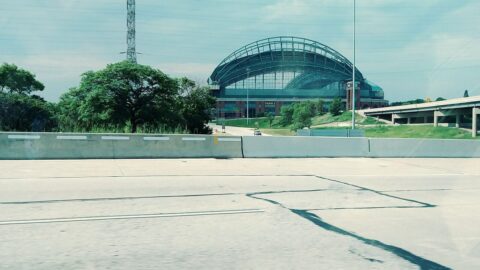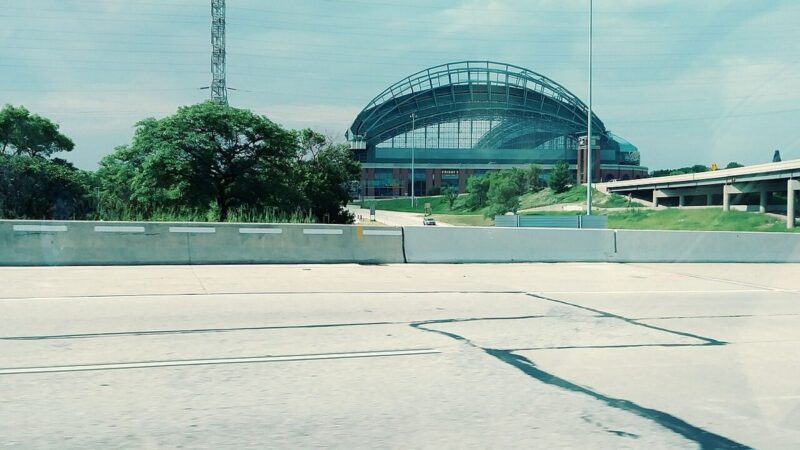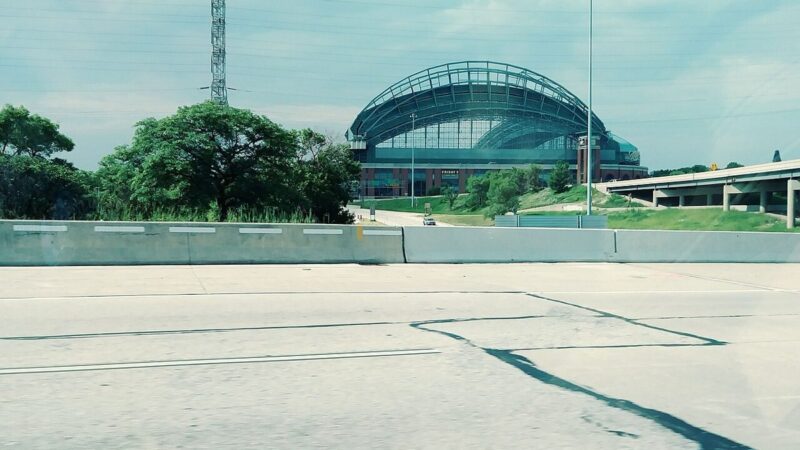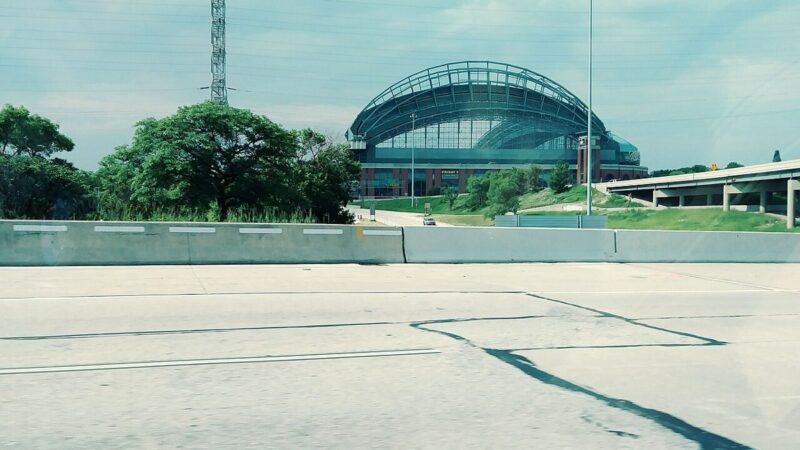
Milwaukee’s championship parade is a celebration, but it is also a business event, and the numbers behind it tell the story of the smallest market in Major League Baseball cashing in on its biggest moment. The Brewers won the title with the 19th highest payroll in the league and the best record in baseball, a combination that has already become the defining business narrative of the season. On Friday, that narrative meets the street: around 400,000 fans expected downtown, festival grounds free until capacity, amphitheater rally seats sold out within hours of going on sale, and a free rally towel for the first 50,000 fans through the gates.
The merchandise operation began before the parade was even announced. The team store at American Family Field opened at 9 a.m. on Thursday, operating from a tent in the third base plaza, and celebration merchandise, including rally specific gear, went on sale across the city. Resale prices for front amphitheater seats were listed at 250 dollars or more on Thursday afternoon, against a starting lawn price of 26 dollars, a spread that shows how quickly a free civic celebration acquires a secondary market. The ticket revenue itself supports the Brewers Community Foundation, which softens the usual complaint about charging for a parade.
Why the small market story sells
The Brewers’ season is a case study in how a small brand wins a big moment. Milwaukee is the smallest television market in the league, yet the club finished with the best record, won 11 of 13 postseason games, and beat Tampa Bay, another small market club, in a five game World Series. For marketers, the lesson is not about spending but about identity: a team that knows what it is, plays to its strengths, and turns a perceived disadvantage into a rallying cry. The parade extends that identity from the field to the city, with a free festival that anyone can attend and a ticketed rally that rewards the earliest buyers.
The economics of the day extend beyond the team. Downtown businesses, hotels, restaurants and transport operators all benefit from a crowd of 400,000, and the school closures, while disruptive, are a recognition that the city cannot function normally with that many people in one place. The festival grounds host live music, alumni appearances and a documentary about Bob Uecker, turning a sports celebration into a civic festival that lasts from 8 a.m. until about 3 p.m.
What comes after the parade
Parades end, but the business effects linger. Championship merchandise sells for months, season ticket interest rises, and the club’s bargaining position with sponsors strengthens. The risk is that a single title becomes the whole story, and the club must now convert a parade crowd into a season ticket base. The expectation of around 400,000 fans downtown shows the scale of the opportunity, and the free admission policy shows the club understands that the crowd itself is the asset.
Milwaukee did not buy this title. It built it, with the 19th highest payroll and the best record in baseball, and Friday is the day the city collects the return on that investment in public. The towels will be kept, the merchandise will be worn, and the business lesson will be quoted long after the parade route has reopened to traffic.