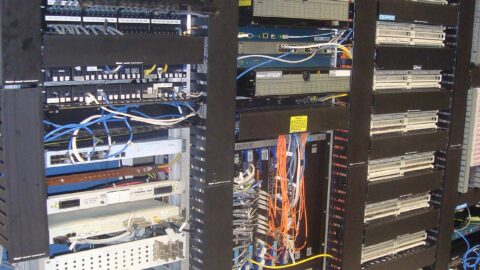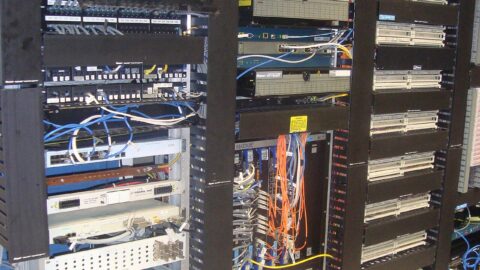

Voters in at least 29 jurisdictions approved bans or restrictions on data centre construction in the midterm elections, and the fight over where America builds its artificial intelligence infrastructure now moves from ballot boxes to Congress. The local votes received far less national attention than the congressional races, but they may prove just as consequential for the technology industry, because a data centre cannot be built where voters have banned it, and the new Congress is expected to scrutinise data centre construction, semiconductor exports and energy use.
Why it matters
The geography of the backlash matters. Texas, Georgia and Ohio, which together hold nearly a third of the country operating and planned data centre capacity, all elected Democratic governors, and voters in at least 29 jurisdictions approved limits on building. A report by ICICI Bank said the election outcome could put 141 gigawatts of planned data centre capacity at greater risk of policy restrictions. That is not a fringe number. It is a large share of the capacity the industry had planned to build, and it is now politically contested.
The industry response has split into two arguments. One, made by Goldman Sachs in a research note, is that technology giants may pull capital spending forward into 2027, rushing to build under current approval conditions before new policies take effect. The other, made by Morgan Stanley, is that United States business investment will rise about 7 percent year on year in the fourth quarter of 2026 and 8 percent in 2027, with artificial intelligence related spending a major part. Both arguments assume the buildout continues. Neither assumes it continues on the same terms.
What happens next
For the companies, the practical question is now selectivity. The market is asking which projects have real demand behind them, which have permits and power secured, and which are only promises. Thursday selloff showed that in a falling market, promises are the first thing investors sell, and Friday rebound showed that companies with real data centre revenue are the first thing they buy back. The gap between the two is widening fast, and it will decide which builders survive the new politics.
What happens next will be decided in Washington, where the new Congress will set the rules for data centre construction, energy use and semiconductor exports, and in state capitals, where governors elected on the issue will have to deliver. The companies that planned their campuses as if approvals were automatic will have to renegotiate, with voters, with regulators and with the grid. The data centre is no longer just a building. It is a political question, and the answer will be written in law.