Fifteen Democratic mayors governing cities in Republican-dominated states are building a new political organisation intended to give their party a centre-left alternative to both the MAGA movement and the democratic-socialist left, according to reports on the group’s launch plans.
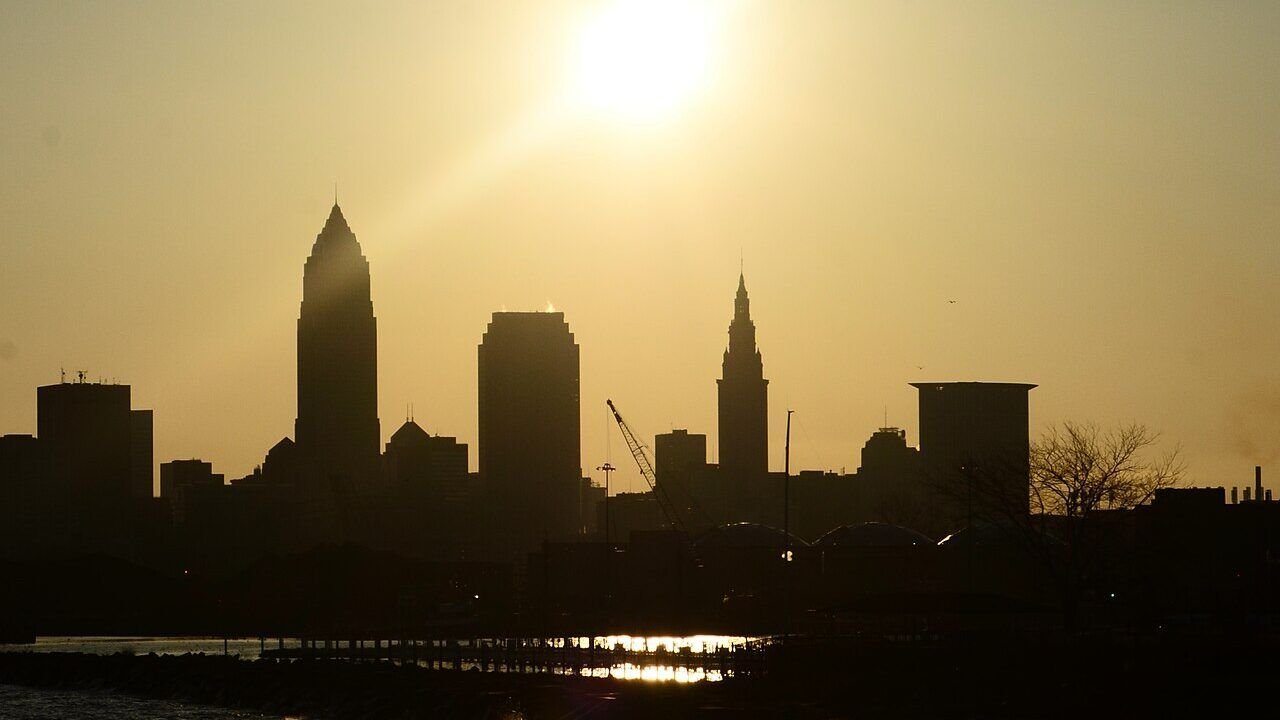
The organisation, called Blue Cities/Red States, is led by Cleveland’s mayor and will hold its launch event in Miami, hosted by that city’s mayor, who was elected in December as the first Democrat to hold the office in 28 years. The founding mayors lead cities including Atlanta, Jacksonville, Boise, Tulsa and Memphis, and together govern more than seven million people across eleven red and purple states, according to a memo prepared for the coalition.
The argument behind the group is that these mayors have had to win and govern without the protection of a Democratic governor or legislature, and that this has forced a pragmatic style built around public safety, affordability and economic growth. In an interview, the group’s leader said the mayors had been closing the credibility gap in their cities while the national party talked about it, and suggested they could serve as a testing ground for a post-2024 Democratic message aimed at rebuilding trust with voters.
The Miami host struck a similar note, saying that working toward a more united country is a core theme of the coalition, and that its members aim to push back against extremism while promoting practical leadership focused on results over rhetoric, including knowing when to stand up to harmful policies and when to find compromise.
According to its memo, the group plans more than messaging. It intends to build a permanent national platform with fundraising and organisational infrastructure, polling and message testing, and a national paid-media strategy running through the 2026 and 2028 election cycles. Its leader said the coalition is also in talks with members of Congress about aligning agendas, with the stated ambition of influencing the next speaker, the next Congress and the next president, and of focusing legislative attention on cost of living and public safety.
The timing is pointed. The group is organising just ahead of midterm elections in which Democrats hope to benefit from the president’s unpopularity, yet polling cited in coverage of the launch gives the party itself historically low favourability, marginally behind the Republicans, with democratic socialists rated lower still. The mayors’ bet is that governing records in difficult political terrain are worth more than national branding.
There is also a longer map argument. The coalition’s pitch to donors and party strategists is that Democrats cannot rebuild a national majority from safe coastal states alone, and that mayors who win in Idaho, Nebraska, Georgia, Arizona, Missouri and Ohio represent the party’s most plausible route to expanding its geography. Investing in mayors, the argument runs, invests in the party’s future bench.
Sceptics will note that municipal popularity does not always translate to state or federal races, and that a national media strategy run by city leaders could blur accountability for bread-and-butter local services. The mayors counter that their daily work is precisely the point: they are the level of government residents judge by whether streets are safe, bills are manageable and services function.
Whether Blue Cities/Red States becomes a durable force or a launch-week headline will depend on money, discipline and results in November. But its formation is a recognisable signal of where ambitious Democrats think their party’s recovery begins: not in Washington, but in city halls where they already have to persuade voters who did not vote for them.