France’s government has offered its first package of school concessions after more than four weeks of student demonstrations, but student unions say the measures are only a start and that protests will continue until a fuller funding plan arrives. The offer, presented by ministers on Monday, tries to answer the education demands at the heart of a movement that has grown from school blockades into nationwide weekend marches.
The package includes replacing Parcoursup, the higher education admissions platform criticised as opaque and elitist, by 2028. It cancels 836 planned teacher cuts and adds 500 new teaching posts, commits almost 4.5 billion dollars to improve school buildings by 2030, and caps class sizes at 28 students in the next few years, according to reports. For students who have complained for years about crowded classes and crumbling buildings, those numbers are concrete, even if the timetable stretches over several years.
Student unions called the measures initial steps forward, but said they will keep leading protests until a comprehensive funding plan with further amendments is put forward. That response sets up the next phase of the dispute: the government has shown it will move on schools, and the unions have shown that movement alone will not end the protests. School blockades have been called for Tuesday and Thursday, ahead of further demonstrations.
From schools to the streets
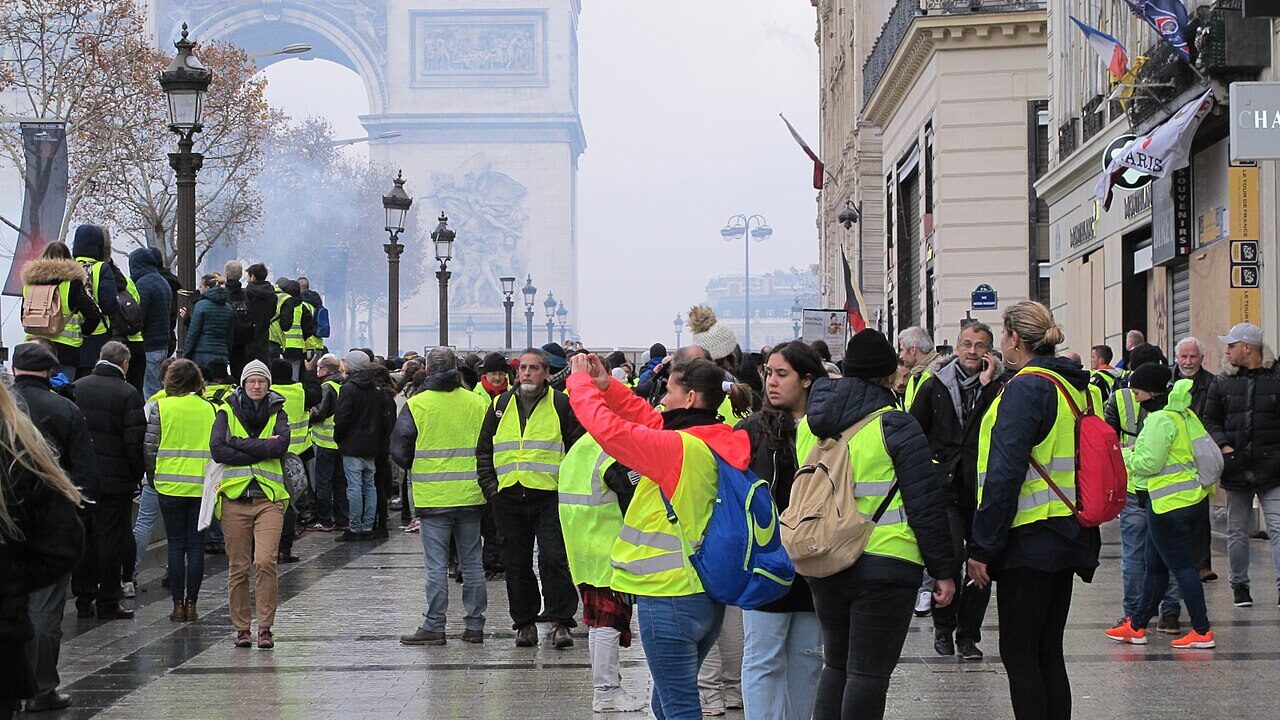
The student movement began with education grievances and widened into a broader protest over living costs and public services. On Saturday, hundreds of thousands of mostly young protesters marched across France in a third consecutive weekend of demonstrations, with authorities putting nationwide turnout at 320,000 and youth organisers claiming close to half a million, including 200,000 in Paris. Scuffles broke out in Paris and other cities at the end of otherwise largely peaceful marches, as police deployed in force to prevent a repeat of the unrest of October 17.
That history explains why the government paired concessions with tougher legislation. While ministers offered school funding, the Senate passed a bill that would make people in violent crowds pay for damage, including through deductions from benefits. Students argue the two tracks send opposite messages: investment in schools on one hand, punishment for protest on the other. The government argues that peaceful protest and violent disorder are different things, and that both responses are needed.
What comes next
The test now is whether the school package changes the mood in classrooms. Replacing an admissions system by 2028 and rebuilding schools by 2030 are long term promises, and students facing crowded classes this year may judge them slowly. If blockades continue this week, the government will face pressure to add faster measures, such as immediate staffing or building repairs, rather than promises tied to future budgets.
For now, the movement has achieved something it did not have a month ago: a formal government offer, with numbers attached, on the table. Whether that offer becomes a settlement depends on the next round of talks, and on whether the streets stay full while those talks happen.