

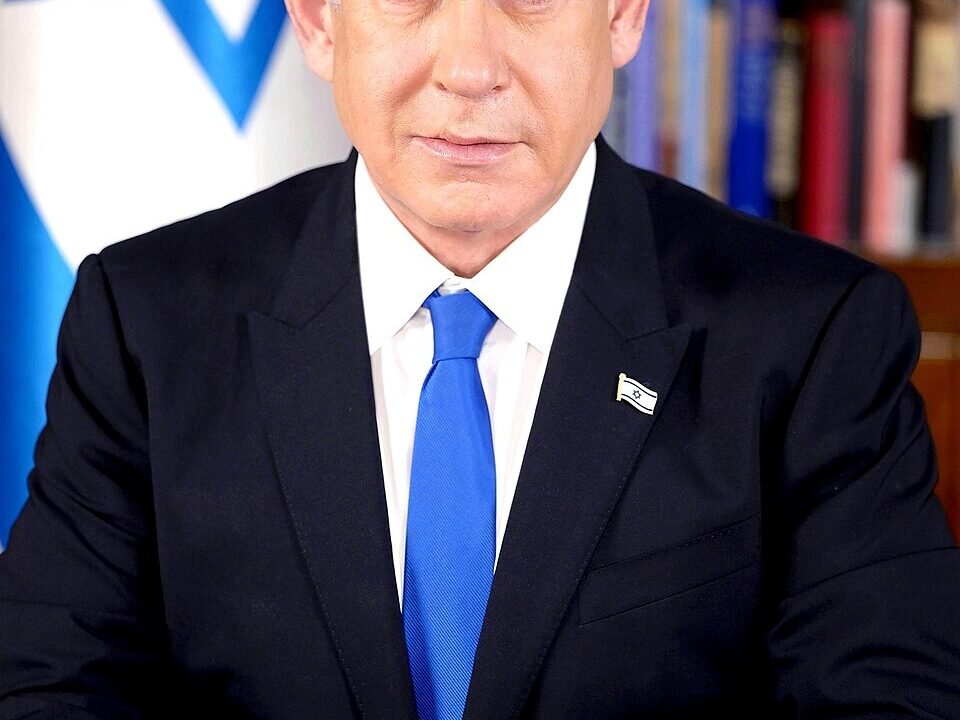
Benjamin Netanyahu says he is not pushing Donald Trump to bomb Iran before elections in either country — but after a week of leaks, denials and counter-leaks, few in the region are treating the matter as closed.
The row began with an Axios report that the two leaders had discussed a major new joint operation against Iran before Israel’s October 27 general election and America’s November 3 midterms. According to the report, which cited two US officials, one Israeli official and a fourth source, Netanyahu raised Israeli intelligence suggesting Tehran is taking “troubling steps” to reconstitute its nuclear programme — with particular focus on a site known as Pickaxe Mountain as a possible enrichment facility.
Denial, then a twist
The White House denied the two men had discussed restarting the war. Netanyahu’s office denied he was pressing for strikes. Then the prime minister told Israeli security chiefs that it was Mr Trump — not him — who had initiated the discussion about renewed fighting, according to Israeli television and Axios reporting.
One US official told Axios that Mr Trump had told Netanyahu to “go ahead and get ready” without making any firm commitment — “maybe now, maybe later, maybe never”. Mr Trump has said publicly the United States will not strike Iran before the midterms, while telling reporters in recent weeks he could resume bombing if Tehran does not accept his terms.
Elections on both clocks
The politics are unforgiving. Polls suggest Netanyahu’s Likud bloc could win only 49 to 53 of the Knesset’s 120 seats, well short of the 61 needed to govern, with opposition parties projected near 70. Israeli media report a widespread belief in the security establishment that no strike will come before the vote — Netanyahu himself called pre-emptive action “inconvenient” right now.
The episode lands as American executives warn tariffs are biting manufacturers and Putin tells Trump that Ukrainian drone strikes have dimmed peace prospects — a reminder that Washington is juggling confrontations on multiple fronts. Whether the Iran war stays paused may depend less on denials than on what both leaders decide after the ballots are counted.