

For Doug Rende, who runs an aluminum products manufacturer in North Jackson, Ohio, President Donald Trump’s tariffs have meant millions of dollars in additional costs — and a growing sense of uncertainty about what comes next, according to a report published October 10, 2026.
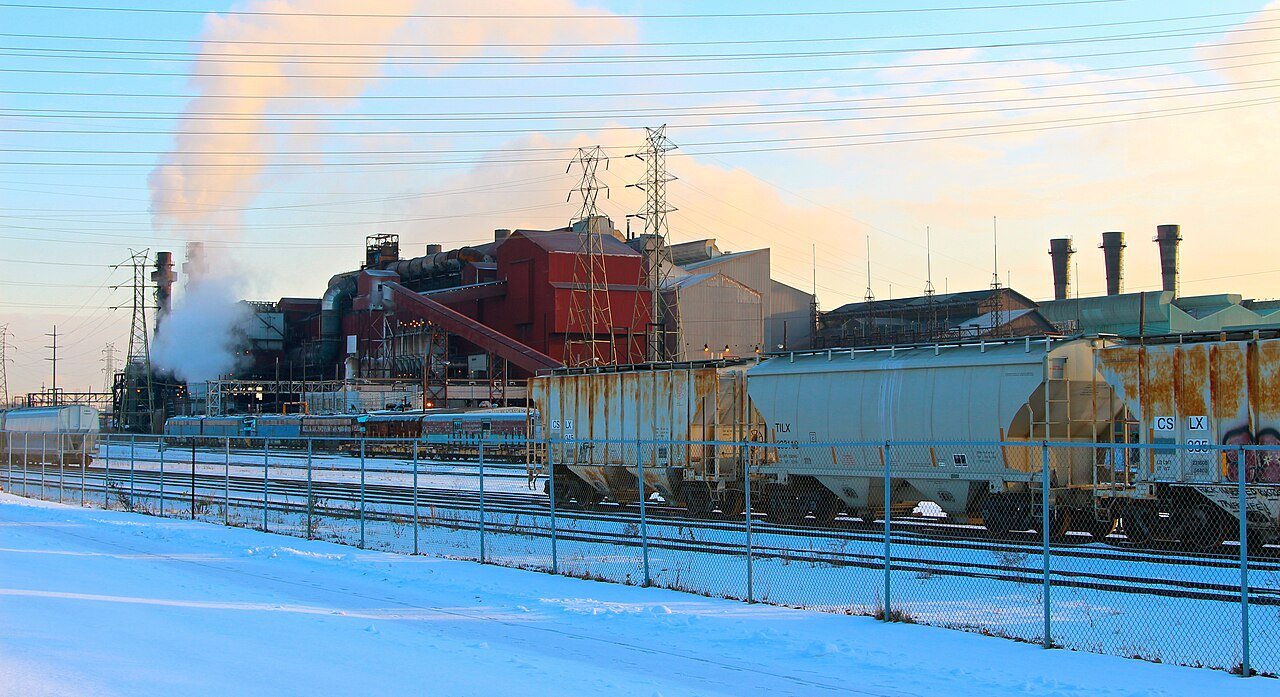
Rende, chief executive of Shapes Unlimited, which makes and distributes aluminum building products used in fixtures such as fences, told AFP that aluminum duties have steadily climbed from 10 percent during Trump’s first presidency to 25 percent and then 50 percent last year. “This year alone, it’s upwards of $4.5 million to $5 million in additional costs,” he said, adding that the company absorbs much of the burden because there is only so much the end consumer will bear.
Transportation costs have compounded the pressure. Surcharges have run “upwards of $6,500 per container” of goods from suppliers, driven by surging fuel prices tied to the U.S.-Israel war on Iran, Rende said. As a result, he has paused recruitment while investing in more robotic assembly.
Other Ohio manufacturers describe a similar squeeze on two fronts. Sam Miller, who makes kitchen and bathroom products in Warren, pays tariffs on imported materials from Asia while finding it harder to expand into Canada amid trade tensions between the two countries. “It’s been difficult for businesses to manage,” he said from his factory floor.
The report lands as the November midterm elections approach, with grievances over trade policy among the fault lines Democrats hope will help them flip control of Congress. A separate study by New York Fed economists released this week estimated that tariffs had lifted the level of consumer goods prices by 2.9 percent as of February 2026 — a cost executives say is increasingly shared between businesses and the shoppers they serve.
For executives weighing capital spending against an uncertain tariff outlook, the next few weeks of campaign-season policymaking may matter as much as the duties themselves.