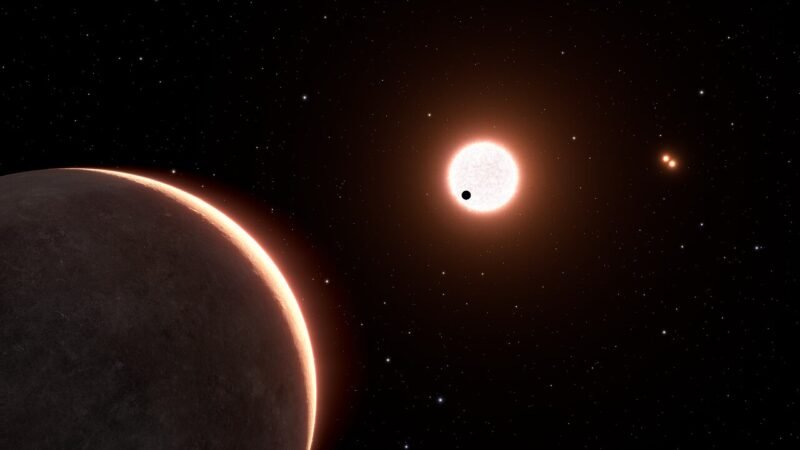


Astronauts aboard Artemis II reported five extremely faint flashes of light while passing over the far side of the Moon, and scientists have now confirmed the sightings were real — most likely small rocks striking the surface at enormous speed. The observations came during a planned communications blackout, when the crew had no contact with Earth.
Based on the flashes’ brightness, researchers estimated the incoming objects were no more than a couple of inches wide, travelling at thousands of miles per hour. The team ruled out cosmic rays and reflections from the spacecraft before confirming the events, which include what may be the faintest impact ever seen with the unaided eye.
The findings were published as part of a preliminary science overview released on 7 October, alongside a public archive of the mission’s photographs, audio and crew annotations. The crew’s handwritten notes, made on a tablet during the flyby, record the flashes and their locations alongside observations of the surface.
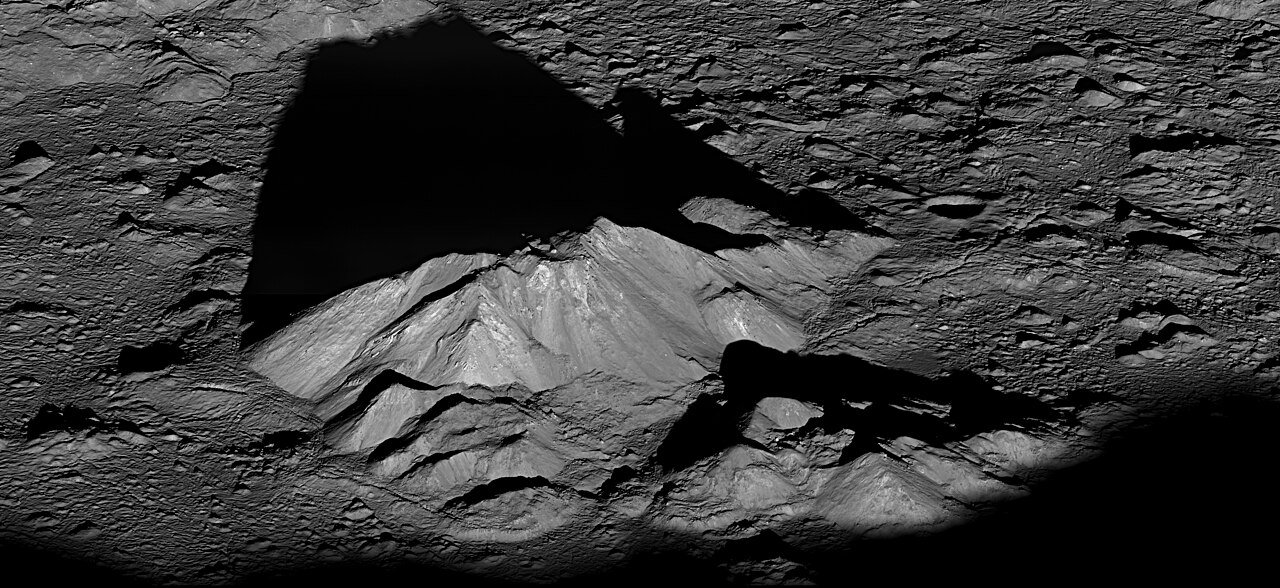
Colour was a second surprise. The astronauts described subtle grey, black, brown, tan, white, green and blue hues across the surface. Scientists associate blue areas with titanium-rich volcanic rock, brown with varying iron levels, and green with glass formed by volcanic eruptions or asteroid impacts — preliminary interpretations that orbiter data will now test.
For mission planners, impact-flash observations are practical as well as curious. Measuring how often small objects hit the Moon helps engineers judge the risk to future surface habitats and equipment, which cannot hide behind an atmosphere.
Researchers caution that the account remains preliminary. But a human-witnessed record, cross-checked against instruments, gives lunar science something it has not had since Apollo: eyes, on the scene, describing what machines alone might have missed.