

More than 347 million children in nearly 100 countries could face unusually wet or dry conditions in the coming months as a powerful El Niño develops, UNICEF warned this week. The agency said the 2026–2027 event is forecast to become one of the strongest on record.
The largest numbers are in Asia and the Pacific, where an estimated 190 million children live in areas expected to see abnormal conditions between October and December. East and Southern Africa and Latin America and the Caribbean account for about 41 million children each, with tens of millions more across Europe, Central Asia, the Middle East and West Africa.
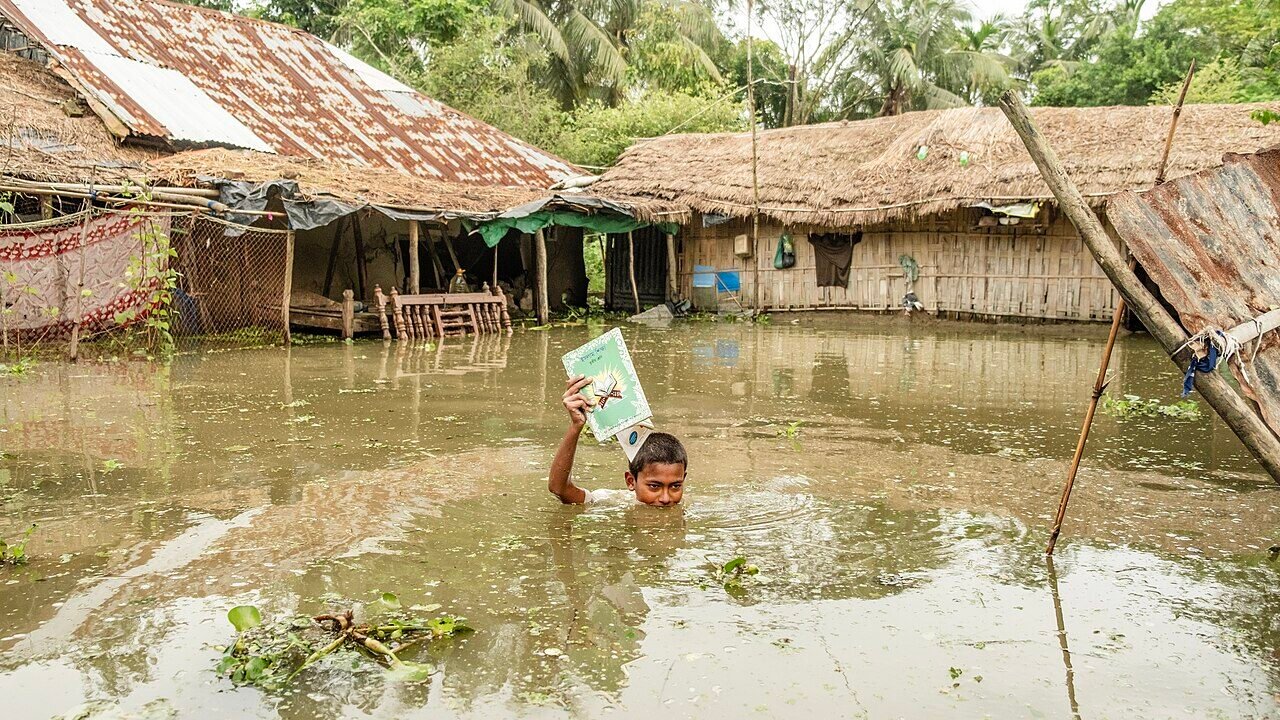
The health risks are compounding. Drier conditions in countries such as Fiji, Papua New Guinea and the Philippines could bring agricultural drought and water scarcity, increasing displacement and acute malnutrition. Wetter conditions elsewhere raise the threat of flooding, disease outbreaks and damage to water and sanitation systems.
UNICEF’s executive director said El Niño is far more than a weather pattern for children, pointing to displacement, malnutrition, water shortages and school closures. The agency noted that nearly half the world’s children already face at least three overlapping climate hazards, so a new shock lands on communities that may not have recovered from the last.
In Vietnam, the greatest impacts are expected from late 2026 through the dry season to May 2027, with the south-central coast, Central Highlands and Mekong Delta facing worsening drought, extreme heat and saltwater intrusion. Similar patterns are expected across the Pacific islands and parts of East Africa.
The agency is calling for anticipatory action — pre-positioning supplies, protecting water systems and keeping schools and clinics running — arguing that money spent before the waters rise or the rains fail protects far more children than the same money spent afterwards.