

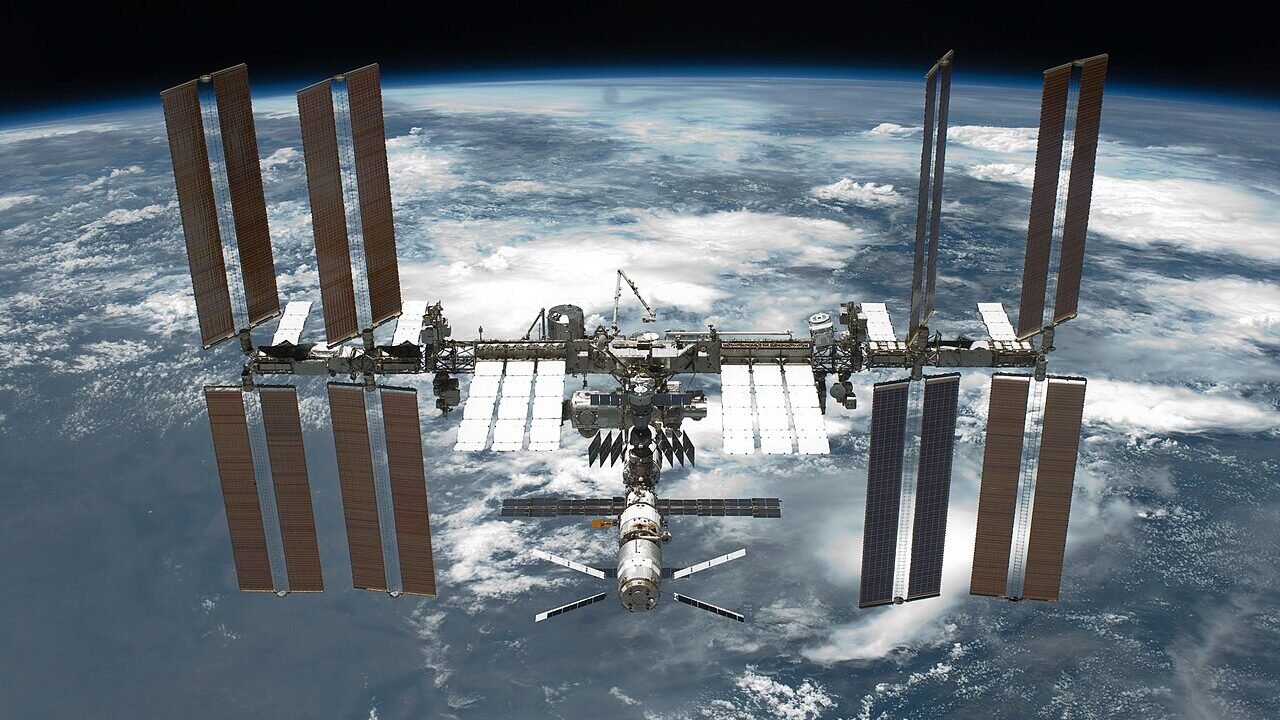
NASA formally opened the race to succeed the International Space Station on October 9, 2026, releasing a roughly 360-page request for proposals inviting U.S. industry to design, build and operate commercial space stations intended to take over by 2030.
The solicitation marks a critical pivot in low-Earth orbit strategy. Before the aging orbital outpost is retired, NASA wants private companies to provide end-to-end destination and transportation services for human spaceflight, allowing the agency to concentrate resources on deep-space exploration while maintaining an American presence in orbit. Proposals are due December 8, 2026.
NASA Administrator Jared Isaacman emphasized that the agency will never give up its presence in low-Earth orbit, requiring a sustained location to conduct research, develop technologies and train crews for future Moon and Mars missions. The agency intends to select two or more contractors for an initial phase, with winners guaranteed at least $100 million in funding for early development efforts.
A final decision on contract awards is expected in April 2027, leading into a development and certification phase beginning in 2027. The solicitation outlines firm-fixed-price, multi-award contracts covering development, certification and services — a structure designed to give NASA continued access to orbital research while companies develop additional customers and markets of their own.
The agency estimates that by 2030, a four-seat crewed flight to a private station would cost about $325 million, versus roughly $300 million for a cargo flight — the price of keeping humans in orbit once the ISS era ends. With the request now public, the competition for the post-ISS economy has officially begun.
The solicitation follows years of NASA-backed design work under earlier commercial station initiatives, and the agency has stressed that at least two providers are needed to avoid any gap in the American crewed presence in orbit after the ISS retires. Industry responses in December will show how many companies believe they are ready to build.