Karl Deisseroth, 54, of Stanford University, Peter Hegemann, 71, of Humboldt University in Berlin, and Georg Nagel, 73, of the University of Wurzburg won the 2026 Nobel Prize in Physiology or Medicine on October 5 for discoveries concerning light-gated ion channels and optogenetics, according to reports. The announcement was made at the Karolinska Institute in Stockholm, opening Nobel week.
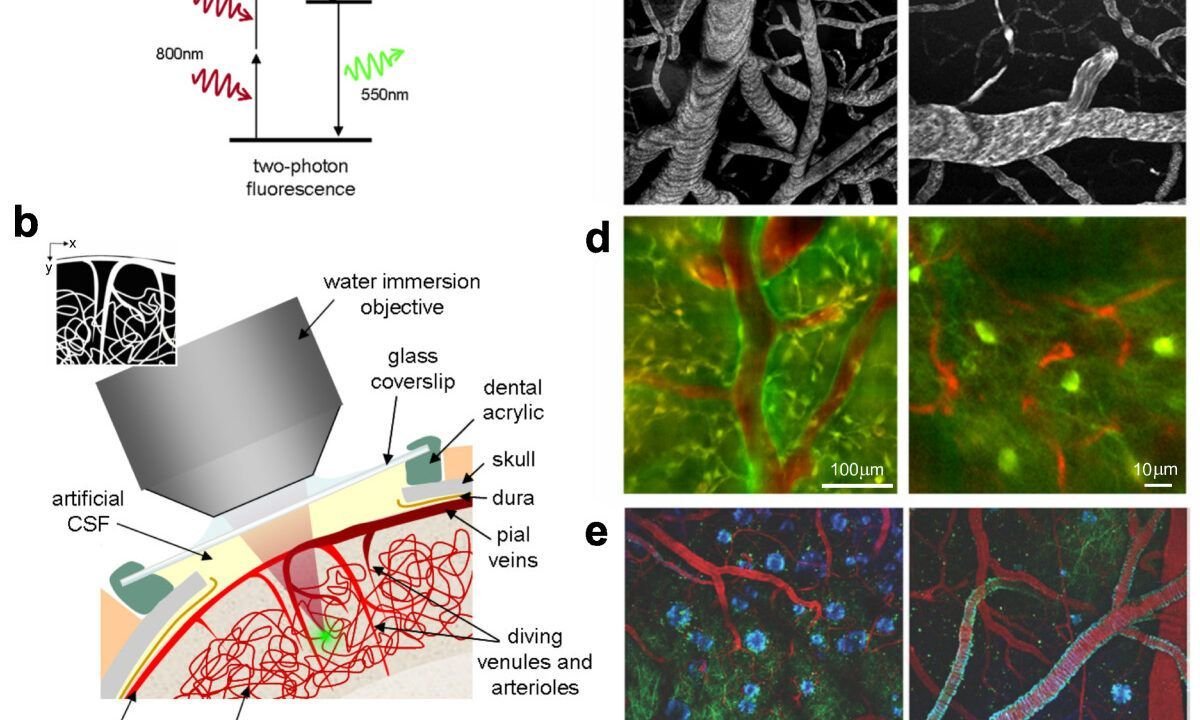
The prize recognises work on light-gated ion channels and optogenetics, described as techniques to switch individual nerve cells on or off with light, according to reports. Deisseroth of Stanford University, Hegemann of Humboldt University in Berlin and Nagel of the University of Wurzburg share the award announced on October 5.
According to reports, the trio shares 12 million Swedish kronor, about 1.2 million dollars. The October 5 announcement at the Karolinska Institute in Stockholm marked the opening of Nobel week, with the Physiology or Medicine prize awarded to Deisseroth, Hegemann and Nagel for the light-based methods.
The discoveries concerning light-gated ion channels underpin optogenetics, the approach that allows individual nerve cells to be switched on or off with light, according to the prize description. The 2026 award to the three researchers, aged 54, 71 and 73, was presented as recognition of that work at the start of Nobel week in Stockholm.
Deisseroth, Hegemann and Nagel will share the 12 million Swedish kronor prize, according to reports. Announced at the Karolinska Institute on October 5, the Physiology or Medicine award opens Nobel week and honours the discoveries concerning light-gated ion channels and optogenetics attributed to the Stanford, Humboldt University and University of Wurzburg researchers.
The award for Deisseroth of Stanford University, Hegemann of Humboldt University in Berlin and Nagel of the University of Wurzburg was announced in Stockholm as the first of Nobel week, according to reports. The shared prize of 12 million Swedish kronor, about 1.2 million dollars, recognises the techniques to switch individual nerve cells on or off with light.