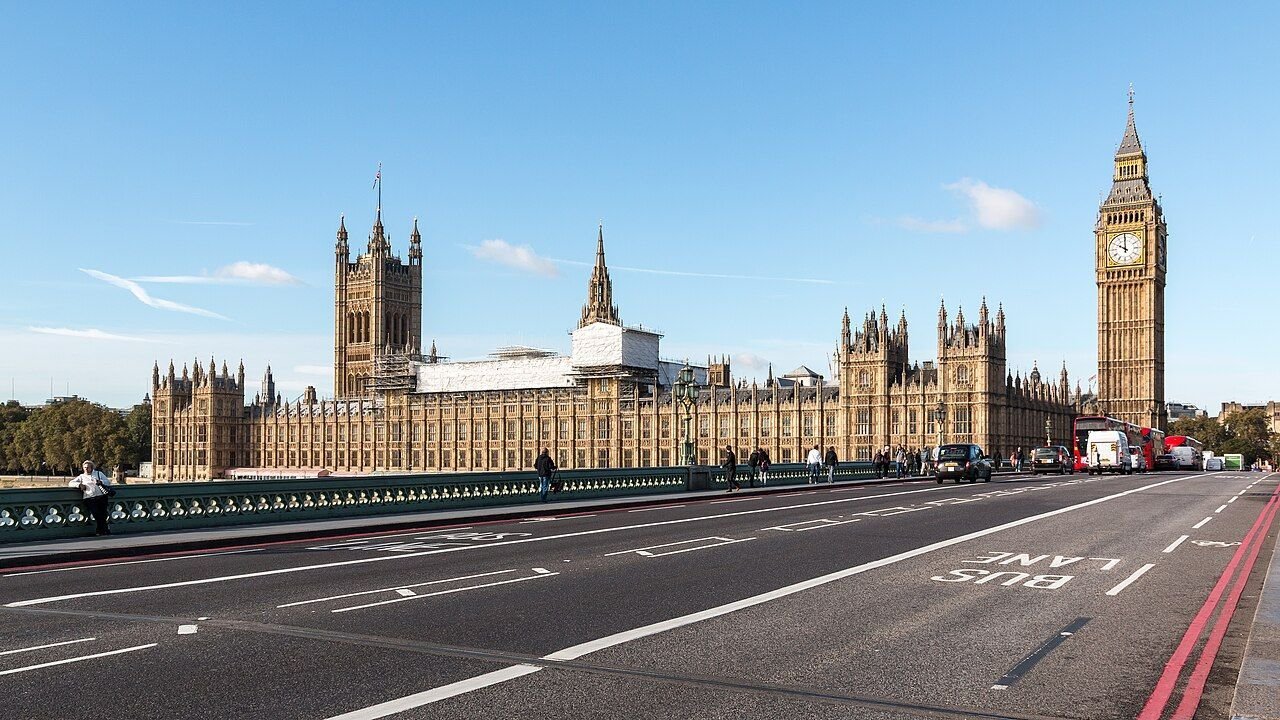
Britain’s government is preparing the biggest overhaul of settlement rules in a generation, under which most migrants would wait ten years, rather than the current five, before qualifying for indefinite leave to remain, with the time shortened or lengthened according to measures of contribution and integration.
The proposal, known as earned settlement, was set out in an immigration white paper and a public consultation. Under the model described by officials and advisers, the standard qualifying period would rise from five years to ten, but applicants could reduce it in various ways. Speaking English at an advanced level might cut a year. Sustained earnings at higher tax thresholds could cut considerably more, up to seven years for those earning at the top band for three consecutive years, while periods spent claiming public funds could add five or even ten years to the wait.
Legal analysts note that the system has not yet been written into the immigration rules. A statement of changes in September adjusted a number of provisions without implementing the wider earned-settlement concept, and the home secretary told a parliamentary committee in mid-September that the policy would be published later this year, without giving a precise date. That leaves hundreds of thousands of people in a prolonged state of uncertainty about which rules will apply to them, and whether changes will apply retrospectively to people already on a route to settlement.
The human scale of the proposal is large. Around 1.6 million people who arrived since 2021 could be affected if the longer qualifying periods apply to those already in the country, according to estimates cited in debate around the plan, and some categories, such as care workers, could face waits of up to fifteen years under the least favourable combinations of the rules. Critics inside the governing party have called elements of the approach unfair, and there have been reports that ministers are considering concessions after discussions with union leaders and backbenchers.
The home secretary has acknowledged that some have called elements of the reforms unfair and has promised a position that balances fairness with control. Speaking at her party conference, she pointed to falling net migration and falling small-boat crossings as evidence that the broader approach is working, while confirming that a resettlement scheme has reopened and that a community sponsorship route is due to open, with arrivals expected to begin before the end of the year and the first sponsored families expected in autumn 2027.
Those safe and legal routes will be capped annually. The government expects arrivals in the hundreds at first, rising to the low thousands only if levels of irregular immigration fall. Refugee organisations have welcomed the reopening but warned that routes offering hundreds of places will do little to reduce dangerous journeys unless they operate at far greater scale.
Meanwhile, the pilot arrangement with France under which some arrivals were returned across the Channel expired on 1 October and was not renewed, a decision the home secretary attributed to logistics and the difficulty of scaling removals with limited detention capacity. Removal flights are expected to continue for a few weeks, but people arriving by small boat after 8 October will have their claims considered under the standard asylum process.
For employers, universities and families, the practical advice from immigration lawyers is consistent: the proposals are not yet law, dates matter, and individual routes, from graduate visas to Hong Kong BN(O) status, are changing on their own timetables. The graduate route, for example, will shorten from two years to eighteen months for most applications made from the start of 2027. Until the earned-settlement rules are published in full, the longest wait in British immigration may be the wait to find out the rules.