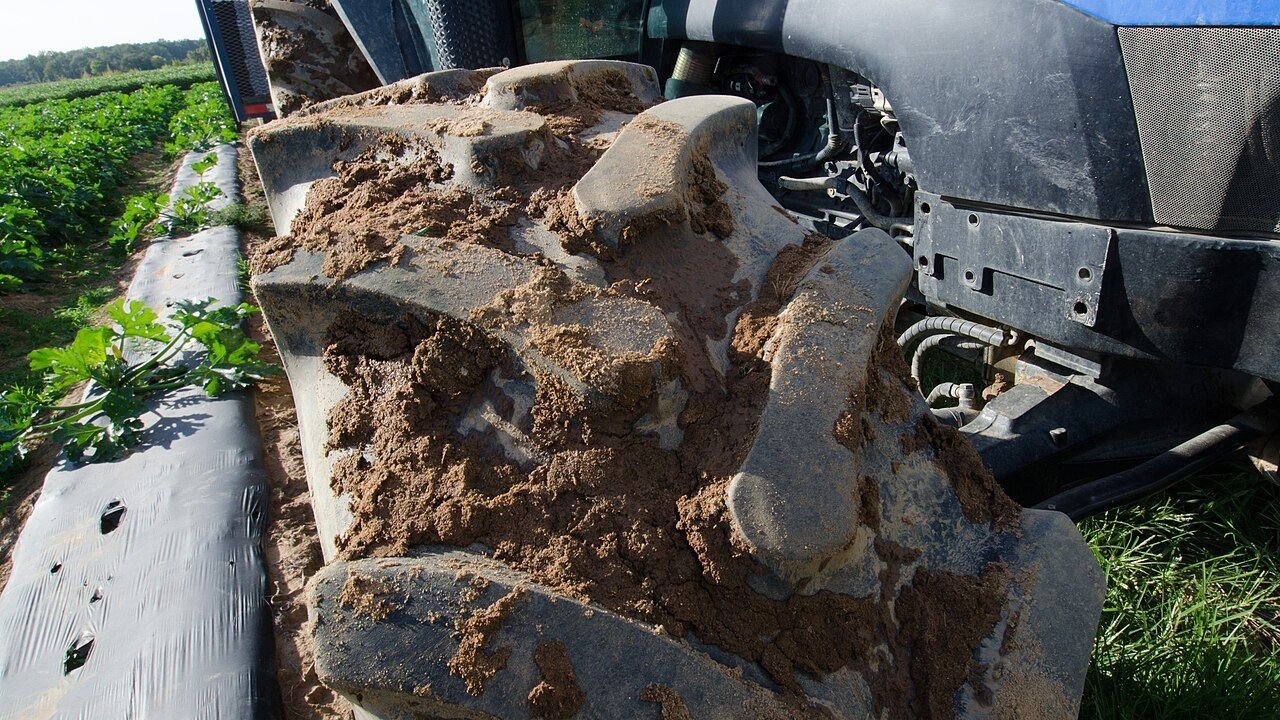
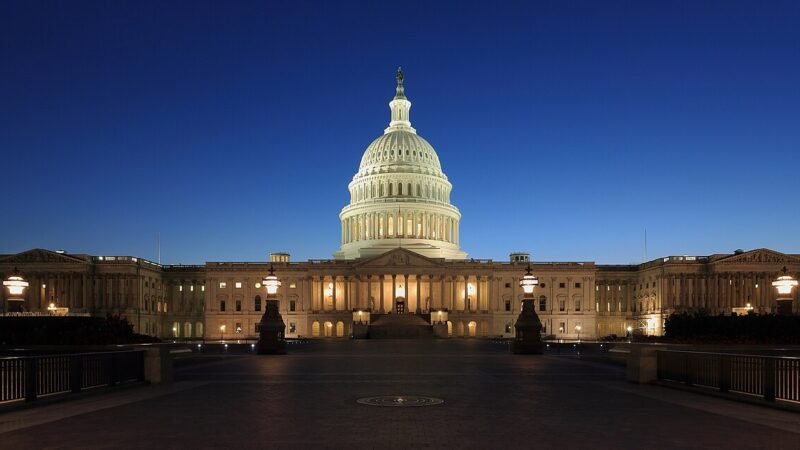
Hard times in American agriculture are rippling into the midterm elections, producing competitive Senate races across the Midwest in states that have been reliably Republican, according to political analysis published this month examining the cost pressures on farmers and the electoral map. The analysis pointed to the president’s tariffs and trade war with China, which sharply reduced exports of soybeans in 2025, and to the war with Iran, which increased farmers’ costs for diesel, fertiliser and other key supplies. Last year, crop farmers’ input costs exceeded their revenue by more than $36 billion, farm bankruptcies rose by 46 percent in 2025 compared with 2024, and they have risen again in 2026. The result is Senate contests in places like Iowa, Kansas and Nebraska that would not ordinarily feature in discussions of the majority, alongside Texas and Ohio, where the president’s approval has fallen into the low forties. Republican Senate candidates are running ahead of the president in these and other contested states, the analysis noted, but his depressed standing may still prove too much for some of them to overcome. Advertising data reinforces the issue divide. A Wesleyan study cited in coverage found pro-Democratic Senate ads mentioning business in 36 percent of cases, the cost of living in about 36 percent, healthcare in 34 percent, ethics and scandals in 29 percent and energy in 25 percent, while pro-Republican ads led with taxes at 46 percent, followed by the cost of living at about 20 percent, and cultural issues including transgender policy, immigration and crime. The observation drawn by strategists is that Democrats are campaigning on the economy and healthcare, the issues where polling gives them an advantage, while Republicans emphasise areas where events have partially overtaken them, with the border closed and crime down, voters tend to bank successes and focus on what is bothering them now. Commentators sympathetic to the administration warn against reading the map too confidently. One Republican columnist argued that the president’s political-action committee may have waited too long to release its cash, that many swing voters decided before September, and that the only realistic Republican hope lies in a major polling error of the kind that has rescued parties before, a possibility he did not dismiss, noting that in every election a moment comes when things lock in and late movement becomes difficult. The farm economy gives that lock-in a human texture. A 46 percent rise in bankruptcies is not an abstraction in counties where the bank, the implement dealer and the school board all depend on the same harvest, and where soybean buyers lost to a trade war do not automatically return when tariffs shift. Whether economic pain of that kind translates into votes against the president’s party, rather than abstention or loyalty under pressure, is the question these states will answer in November. What is already visible is that the Senate map has widened beyond its expected boundaries. Races in the agricultural heartland are drawing money and attention they would not receive in a normal cycle, Democratic candidates are described as suddenly fiercely competitive in solid Republican states, and a chamber that looked safely Republican a year ago is now rated by analysts as genuinely in play, with farm country at the centre of the change.
Farm-Belt Pain Is Making Safe Republican Senate Seats Competitive, Analysts Say
Hard times in American agriculture are rippling into the midterm elections, producing competitive Senate races across the Midwest in states that have been reliably Republican, according to political…