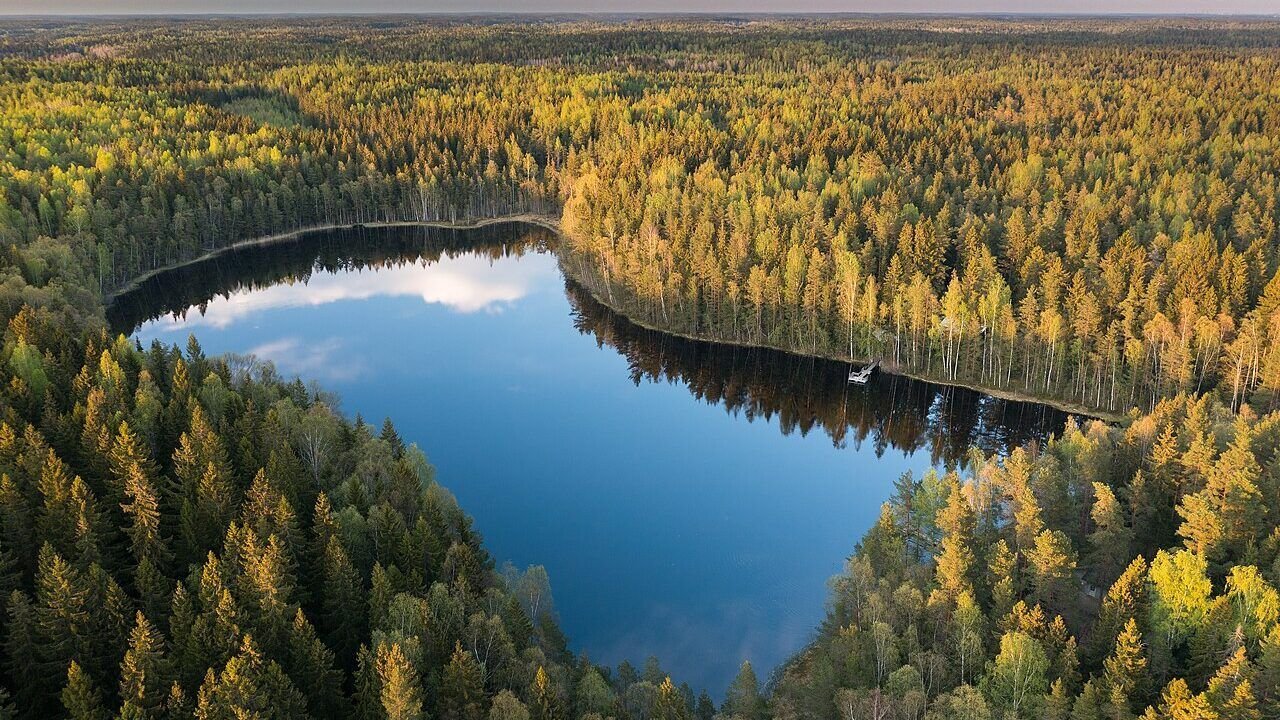
Finland’s environmental regulators have ordered Google’s Finnish subsidiary to halt major site work at two planned data centres after finding that substantial land clearing and other site preparation had taken place before the required environmental impact assessments were completed, according to reports this week. The Finnish Licensing and Supervisory Authority, known as LVV, directed Tuike Finland Oy to suspend work that significantly alters the environment at planned sites in Muhos and Kajaani, calling for the work to stop immediately and no later than 23 October. The order covers tree removal, topsoil removal, excavation, blasting, crushing, earthmoving, drainage work and construction of site roads and storage areas. Planning, measurements, soil surveys and other limited or reversible activities may continue. At Muhos, the company reported that about 330 hectares had been felled or prepared; at the Kajaani-Otanmaki site, the reported area was just under 200 hectares. The case turns on a legal distinction with large consequences. Finnish law treats permanent conversion of forest land above 200 hectares as the kind of action regulators exist to judge, and analysis of the decision suggests the failure was treating forest clearance as preparatory work when the regulatory framework regards it as the action itself. Put simply, the company appears to have begun the environmental impact before completing the assessment of that impact. The episode is notable because power, the constraint that dominates data-centre development almost everywhere else, was not the problem. Google had access to significant grid capacity in northern Finland through the national grid operator Fingrid, whose representatives noted the northern grid had room. The project solved electricity and ran into land. For an industry now spending hundreds of billions on AI infrastructure, the lesson travels well beyond Finland: the binding constraints on the data-centre boom are increasingly physical and legal rather than financial, grid connections in Italy, water in dry regions, and here, environmental assessment law in a country whose forests are both an economic resource and a national emblem. Google has not detailed its response in the reports, and how the company proceeds, completing assessments, redesigning site plans, or contesting the order, will signal how much schedule risk environmental process now adds to European AI infrastructure. Northern Finland has been marketed as ideal data-centre territory: cold climate for cooling, abundant carbon-free power, political stability and available land. This case does not overturn that pitch, but it reprices it, adding months of assessment and the possibility that the answer for some sites is no. There is also a scrutiny dimension. As data centres become the most visible industrial projects of the AI era, their land, water and power footprints attract the kind of public and regulatory attention once reserved for mines and factories. A company of Google’s sophistication misjudging where preparation ends and construction begins suggests every operator’s permitting assumptions now deserve a second look. The sites at Muhos and Kajaani may yet be built, Finland’s need for investment and Europe’s need for computing capacity both argue for it, but they will be built in the order the law prescribes: assessment first, then the chainsaws. In the global race to build AI infrastructure at maximum speed, that is a sentence more developers are going to have to read.
Finland Orders Google to Halt Data Centre Site Work Over Environmental Assessments
Finland's environmental regulators have ordered Google's Finnish subsidiary to halt major site work at two planned data centres after finding that substantial land clearing and other site preparation…