

Reports about OpenAI’s revenue have unsettled investors in artificial intelligence and semiconductor stocks, after figures circulated that appeared lower than earlier expectations.
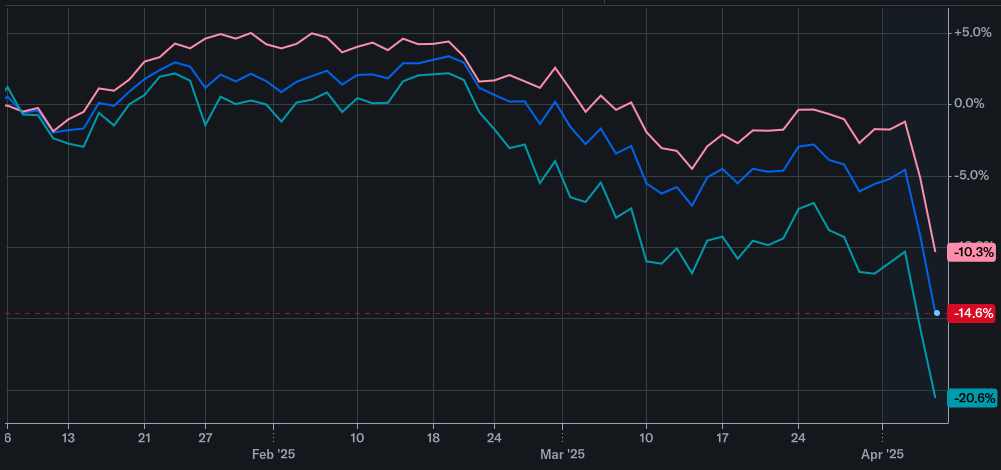
According to reports, OpenAI’s annualised revenue was put at about $50 billion, compared with roughly $68 billion to $70 billion previously signalled. The difference was enough to rattle markets: coverage cited the Nasdaq 100 falling 1.4%, a closely watched chip-stock gauge dropping 3.4%, and the S&P 500 slipping 0.5%.
Other reporting, however, has suggested the figures may reach or top $70 billion by the end of 2026. The two pictures are not easily reconciled, and they should be read as conflicting reports rather than settled fact. OpenAI is a private company, its revenue definitions can vary — annualised run-rate, recognised revenue and contracted sales are different measures — and numbers reported at different dates can look contradictory without either being wrong.
Why does one company’s revenue move an entire sector? Because OpenAI sits at the centre of the AI spending boom. Its demand for computing power underwrites orders for advanced chips, data centres, electricity and networking equipment. If its growth is slower than investors assumed, the case for that vast spending weakens; if it is faster, suppliers benefit for years.
Chip shares are especially sensitive. The largest makers of AI processors have seen their valuations climb on expectations of sustained, rapid growth in data-centre investment. Even a hint that the pace might moderate can trigger sharp selling, as Friday’s moves showed.
For now, investors lack the one thing that would resolve the argument: audited, detailed financial statements from OpenAI itself. Until those are public, reported figures will keep arriving without full context, and markets will keep reacting to each new number as if it were definitive.
The episode is a reminder of how much of the AI trade rests on estimates. The technology’s progress is visible in products people use every day. Its financial trajectory, by contrast, remains partly a matter of reports, inference and faith — and share prices will likely stay jumpy while that is true.