Airtel Money, the mobile payments arm of Airtel Africa, has priced its London initial public offering at £1.96 per share, implying a market capitalisation of about £5.3 billion, or roughly $7 billion, when its shares are admitted to trading on the London Stock Exchange.
Admission is expected on 14 October, with conditional trading scheduled to begin on 9 October. The pricing values one of Africa’s largest mobile-money businesses below the $8 billion to $9 billion range discussed when the transaction was first unveiled, but the deal is still expected to be among the largest listings in London in recent years.
The structure of the offer is important for understanding who benefits. Existing shareholders are selling 270 million shares, worth about £529 million at the offer price, with up to 27 million more available if an over-allotment option is exercised in full. Because existing shareholders are the sellers, the company itself is not raising fresh money in the sale. Airtel Africa does not expect to sell shares except through the over-allotment option and says it intends to remain a long-term strategic shareholder, supporting Airtel Money as an independently listed business.
The International Finance Corporation has agreed to buy up to £67.2 million, about $90 million, of shares from existing shareholders at the offer price, a commitment that gives the deal an institutional anchor. If the over-allotment option is not used, about 16.5 percent of Airtel Money’s shares will be in public hands, rising to about 17.5 percent if the additional shares are sold, a free float the company expects will make it eligible for inclusion in the FTSE UK indices.
The retail offer, which opened on 2 October with a minimum application of £250, is restricted to investors resident and physically present in the United Kingdom, distributed through a network of retail brokers and platforms. That means Airtel customers in Africa, including in Nigeria where the service has a major presence, cannot buy directly through this offer, a consequence of the securities regulations that apply to a London listing structured around the UK market. Regulatory notices restrict distribution of the offer materials in several other jurisdictions, including the United States, Canada, Australia and Japan.
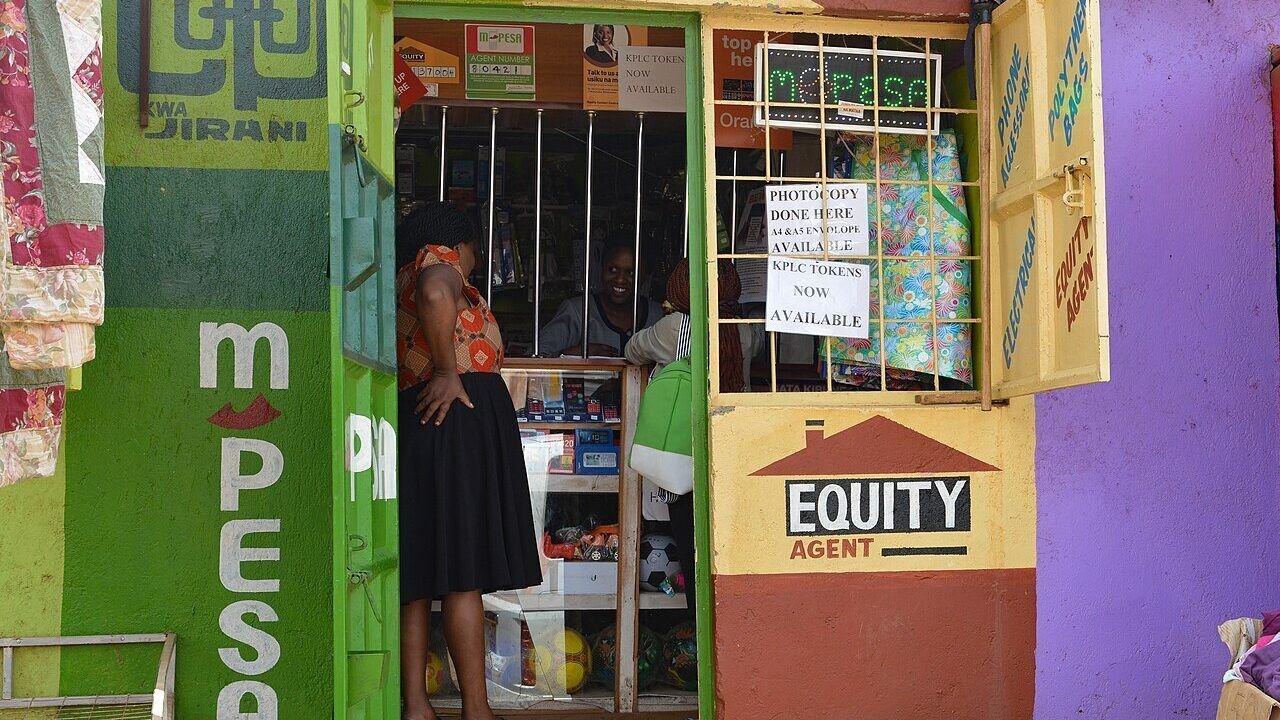
Operationally, Airtel Money operates across 13 African countries and ranks as the continent’s third-largest mobile-money operator by transaction value. As of June, it reported 56.5 million customers, annualised transaction volumes of $245 billion and quarterly revenues of $404 million. Its chief executive has described a shift in the revenue mix away from cash deposits and withdrawals toward payments, transfers, bill settlement, merchant purchases and microcredit, which the company regards as higher-quality revenue with better margins.
For London, the listing is a test of the market’s appetite for large emerging-market fintech assets at a moment when new issues have been scarce. For Airtel Africa, separating the mobile-money business into its own listed company gives investors direct exposure to the group’s fastest-growing operation and creates a currency for its future development. And for the millions of customers who use mobile money as their primary financial infrastructure, the IPO is a sign of how thoroughly the service has moved from telecom add-on to the centre of the African financial system.