

Nvidia’s agreed takeover of Hugging Face, valued at about $12.9 billion, is the clearest sign yet that the AI race is no longer fought only on silicon. The fight has moved to where the developers are — and Hugging Face is where more than 18 million of them build.
What the deal covers
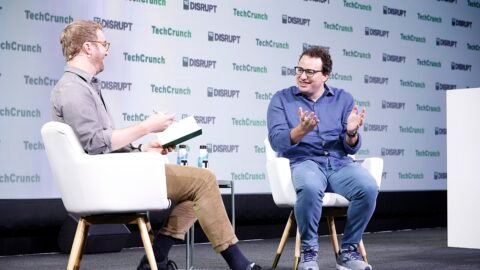
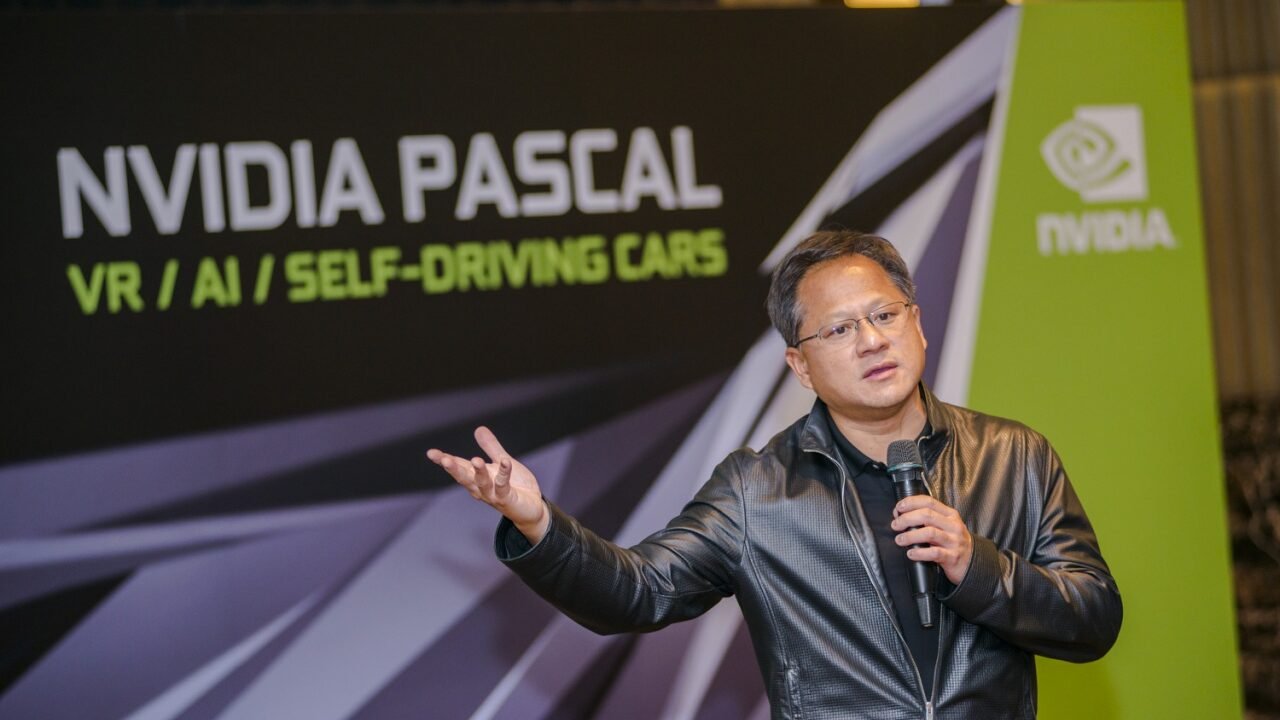
The definitive agreement was signed on September 2 and announced the next day, with details disclosed in a regulatory filing, according to reports. The headline value is $12.93 billion: roughly $11.9 billion payable to Hugging Face stockholders, subject to adjustments, plus an equity retention programme of up to about $1 billion for employees joining Nvidia. Closing is expected in 2027, subject to customary regulatory approvals including merger reviews in the United States and Europe. Hugging Face chief executive Clément Delangue, who co-founded the company in 2016, said he approached Jensen Huang directly to discuss a sale.
Developers are the prize
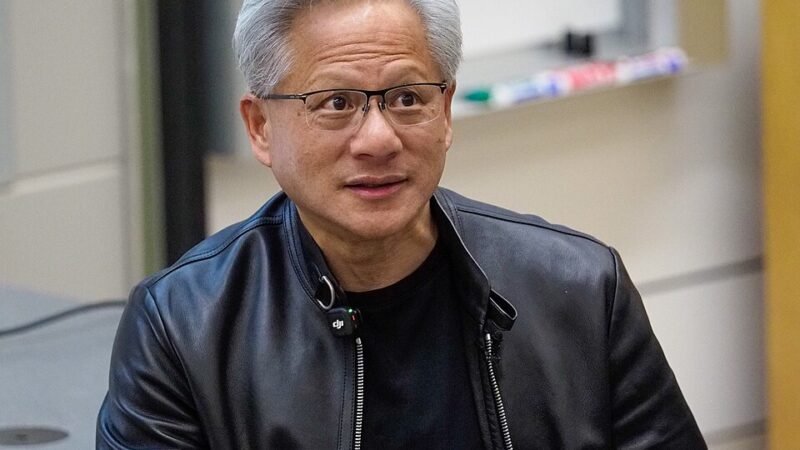
Hugging Face has become the default distribution point for AI models, datasets and applications — the first stop for developers building with open systems. Owning that channel gives Nvidia a direct relationship with the people choosing which AI technologies to use, and therefore which hardware runs them. In announcing the deal, Huang said Hugging Face “will remain an open platform for the entire AI ecosystem”, with developers free to choose their models, frameworks, cloud providers and computing platforms — including Nvidia’s rivals.
The purchase is reportedly Nvidia’s second-largest on record, trailing only its roughly $20 billion Groq arrangement, and it extends an industry-wide pattern: giants are buying reach, not just technology. The scarcest asset in AI is no longer compute but developer trust and distribution — the two hardest things to build and the easiest to buy. Whether the open-platform pledge survives under Nvidia’s ownership is the question regulators, rivals and the developer community will now watch most closely.
The chipmaker has been widening its footprint on several fronts at once, most recently pledging $250 million in compute for UK agentic AI safety research — even as the memory-chip shortage forces manufacturers to shift capacity toward AI workloads. And the open-model ecosystem keeps drawing new contenders, with Reflection AI’s Beam betting on efficiency in a race long defined by raw scale.
In the chip era, the winner sold the best silicon. In the platform era, the winner may be whoever owns the door developers walk through each morning. Nvidia has just bought the biggest door in AI.