

South Korea’s presidential office has dismissed a Ukrainian report that Russia imported petroleum products loaded at South Korean ports, calling the accusation inappropriate and saying Seoul has consistently enforced sanctions and export controls against Moscow since the full-scale invasion of Ukraine.
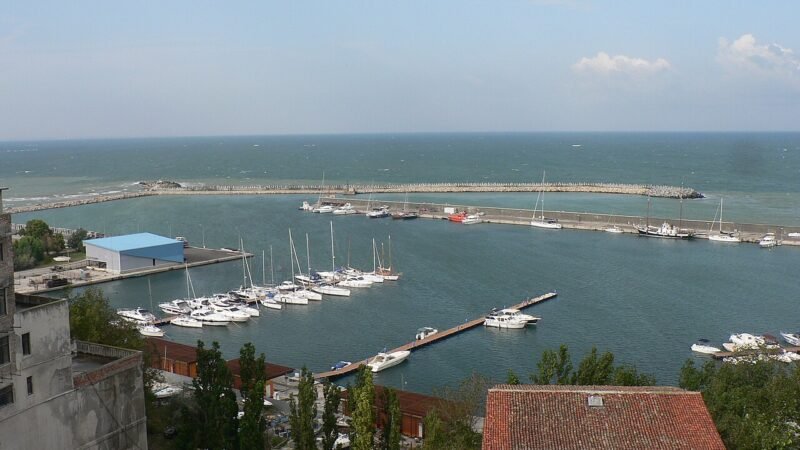
The dispute follows an investigation, based on port records and ship-tracking data, which found that more than 176,000 tonnes of fuel, mostly diesel, were loaded at several South Korean ports in July and August and carried to Russia’s Far East. The analysis identified seven tankers making 14 voyages, three of them under British or European Union sanctions, and at least one cargo moved through a ship-to-ship transfer in South Korean waters, a method that can obscure a cargo’s origin and destination.
Ukraine’s top sanctions official said the shipments had eased the impact of a fuel crisis in Russia caused by Ukrainian drone strikes on Russian oil refineries. An analyst at a Finnish energy research centre described the trade as shocking, arguing that sanctioned tankers loading fuel at South Korean ports undermines the sanctions regime and sits uneasily with Seoul’s public support for Kyiv.
South Korea’s government responded that it is examining the facts and checking for any export-control issues, and that it will take necessary measures if problems are confirmed. Officials also made a legal distinction that matters for what happens next: refined petroleum products are not included in South Korea’s own export controls on Russia, which mainly target industrial machinery, electronics and vehicles. On that reading, loading fuel at a South Korean port does not by itself breach South Korean law, whatever the sanctions status of the vessel carrying it under other countries’ rules.
That distinction captures the awkward position Seoul occupies. South Korea has sent Ukraine humanitarian aid and non-lethal military supplies such as helmets, body armour and demining vehicles, and previously pledged billions of dollars in support, most of it in loans. At the same time, it has long ruled out sending lethal weapons directly to Ukraine, in line with its practice of not supplying arms to countries at war, and it has sought to keep a channel open to Moscow, which has signalled interest in restoring trade ties.
The fuel row also lands on top of an already strained relationship. The two governments have been at odds since Ukraine’s president announced the transfer of two North Korean prisoners of war to South Korea, a move Seoul said was meant to remain confidential. Ukrainian officials have described the fallout as a misunderstanding and said diplomatic work is under way to resolve it, while South Korea’s foreign minister has said an apology offered by Kyiv did not meet expectations.
For energy markets, the episode is a case study in how sanctions leak at the edges. Diesel loaded openly at major commercial ports, carried by vessels sanctioned elsewhere, and delivered to a country fighting a war illustrates the gap between national export-control lists and the wider web of restrictions maintained by allies. Ship-to-ship transfers and declared destinations that differ from actual ones make that gap harder to police, and investigators say some vessels in this trade declared ports in Japan or Singapore before turning toward Vladivostok.
What Seoul does next will be watched in Kyiv, Brussels and London as closely as in Moscow. If its review finds violations of domestic law, legal action has been threatened. If it finds none, pressure is likely to grow for South Korea to close the refined-products gap in its own controls. Either way, a trade that moved quietly through shipping data for two months has become a public test of how far allied sanctions really reach.