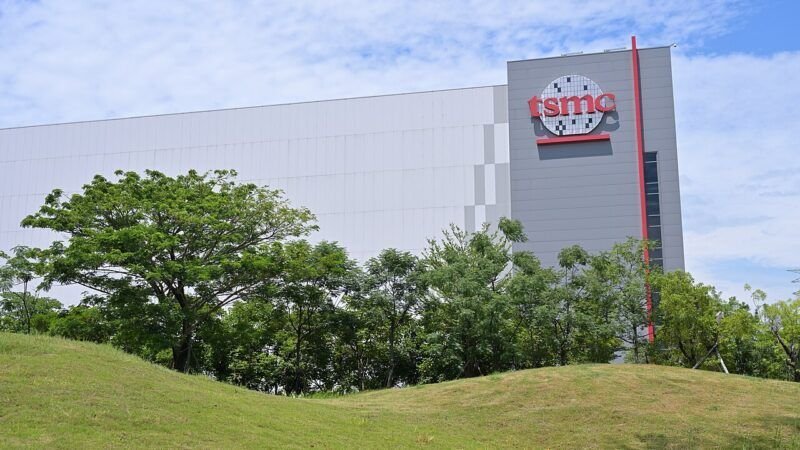

The global memory-chip market is tightening sharply as Samsung, SK Hynix and Micron shift production toward high-bandwidth memory for artificial intelligence accelerators, leaving conventional DRAM and NAND supply stretched into 2027 and beyond, according to industry reports. Major memory makers have warned throughout 2026 that supply is running short, with reports saying their DRAM and high-bandwidth-memory capacity for 2027 is already substantially booked. Industry analysts expect conventional DRAM contract prices to rise 10 to 15 percent sequentially in the fourth quarter, with NAND flash up 15 to 20 percent, after much sharper increases earlier in the year. SK Group’s chairman has been reported as saying the squeeze could run through 2030, as manufacturers prioritise the memory that sits beside AI processors over the commodity chips that go into phones, PCs and cars. The mechanics are straightforward and punishing. A wafer allocated to high-bandwidth memory, which stacks DRAM dies and requires advanced packaging, produces less conventional capacity and earns far more, because AI data-centre customers are buying every stack the industry can assemble. The same capital and cleanroom space cannot serve both markets at once, so the AI boom is, in effect, taxing every other electronics category: device makers face higher component costs, longer lead times and, in some cases, allocation rather than open supply. The contrast with logic chips is instructive. TSMC’s September revenue, reported this week, showed the processors that compute AI workloads growing at more than 50 percent year on year, a market constrained by capacity but not yet by shortage economics of the memory kind. Together the two stories describe an AI supply chain in which every layer, logic, memory, packaging, power, is simultaneously the bottleneck, and in which the pricing power created by AI demand is being paid for by the rest of the technology industry. For consumers, the effects arrive disguised: a laptop or phone that costs more than its predecessor, a car option delayed, a games console allocation announced rather than stocked. Device makers with long-term supply agreements are cushioned; smaller manufacturers buying on spot markets are not, and industry reports suggest some are redesigning products around available memory configurations. There is a cyclical warning embedded in the history here. Memory is the most famously boom-and-bust segment in semiconductors; manufacturers who expand capacity into a shortage have repeatedly delivered it just as demand cools, crashing prices. Today’s discipline, shifting existing wafers rather than building furiously, is precisely what the industry’s survivors learned from those cycles, which is why analysts expect the shortage to persist rather than resolve quickly. Whether demand justifies it depends on the durability of AI spending, the same question hanging over data-centre debt and chip valuations. What is not in question is the present-tense fact reported across the supply chain: memory has become the AI industry’s scarcest ingredient after computing itself, and the bill is being distributed to everyone else who needs a chip to remember anything.
Memory Chip Shortage Deepens as Makers Shift Capacity Toward AI, Reports Say
The global memory-chip market is tightening sharply as Samsung, SK Hynix and Micron shift production toward high-bandwidth memory for artificial intelligence accelerators, leaving conventional DRAM and NAND supply…