

Apple is reportedly planning an October 27 launch event that could bring the first touchscreen OLED MacBook Pro models, along with an OLED iPad mini.
The claims, which Apple has not confirmed, also point to an M6-powered 14-inch MacBook Pro and a refreshed iMac. As with all pre-launch reporting, the details should be treated as unconfirmed until Apple announces products itself.
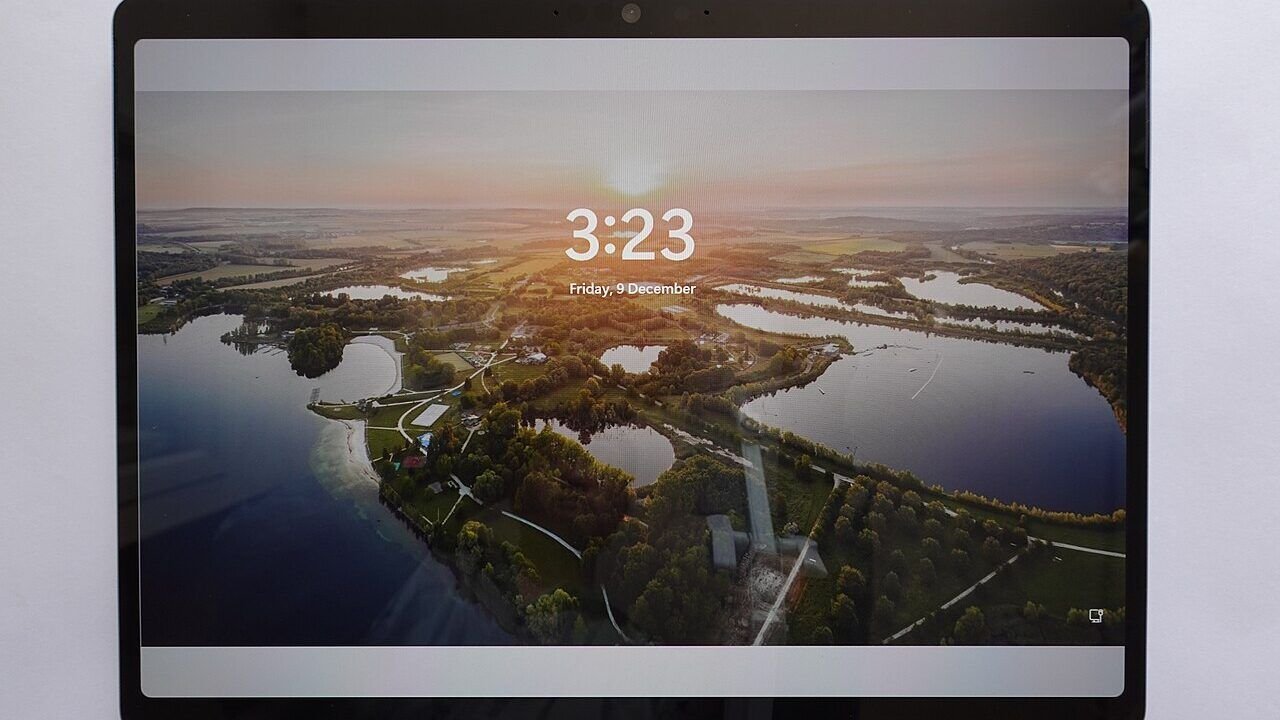
According to reports, the redesigned Pro models would be thinner and lighter, with a Dynamic Island-style cutout replacing the current notch. A move to OLED would be significant on its own, offering deeper blacks, stronger contrast and potential power savings for some content compared with the mini-LED screens used in today’s high-end MacBook Pro models.
Adding touch would be the bigger break with tradition. Apple has long argued that Macs are designed for keyboard, trackpad and mouse, while iPads own touch. A touchscreen MacBook Pro would blur that line, and would raise immediate questions about how macOS adapts — bigger touch targets, new gestures, and whether Apple Pencil support follows.
For creative users, the appeal is obvious. Photo editors, illustrators and video producers already move between Mac and iPad workflows. A single machine that combines a desktop-class chip, a colour-accurate OLED display and direct touch input could simplify that setup, if the software keeps pace.
The reported iPad mini with OLED would address a long-standing request. The smallest iPad is popular with pilots, field workers and readers, and an OLED panel would improve its display quality markedly, especially for video and low-light use.
None of this is official. Apple does not comment on rumours, product names, chip designations and dates in such reports have been wrong before, and reported plans can change. Readers should wait for an Apple invitation or announcement before treating any specification as settled.
If the reports prove accurate, however, late October would mark one of the most consequential Mac updates in years: a new display technology, a new way of interacting with the machine, and fresh silicon arriving together.