


America’s biggest banks begin reporting third-quarter results on Tuesday, October 13, and investors will be watching for signs that a recent spike in Treasury yields may crimp dealmaking, raise funding costs and test the industry’s profit momentum.
Four of the six largest U.S. lenders — JPMorgan Chase, Goldman Sachs, Citigroup and Wells Fargo — are scheduled to report on October 13, with Morgan Stanley and Bank of America following on October 14. Analysts expect third-quarter earnings to rise as much as 20 percent from a year earlier, powered by significantly stronger investment banking and trading revenue and no visible deterioration in credit portfolios.
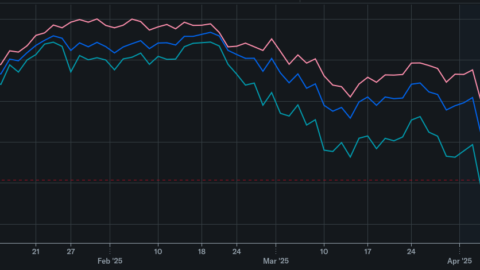
But bank stocks have come under pressure as bond yields climbed to multidecade highs. The KBW Bank Index is down about 13 percent from its August peak close and fell 6 percent in the third quarter. Higher interest rates slowed capital markets activity late in the quarter, and investors want reassurance that the deal pipeline remains robust, loan growth is on track and rising deposit costs stay contained, analysts say.
JPMorgan, the nation’s largest bank, is expected to post earnings per share of around $5.90 on revenue of about $51.5 billion, reflecting double-digit growth, while Citigroup is seen reporting roughly $2.66 per share. Both face questions on credit trends after strategists warned that rapidly rising long-term yields — with 30-year Treasury yields approaching 6 percent — could pressure markets and weaken credit demand.
Portfolio managers say the central questions are guidance on credit growth and deposit costs. As one fund manager put it, customers hunting for higher yields could shift deposits, though no drastic flows are expected. With the housing market frozen and valuations rich, executives will need to convince Wall Street that the earnings machine can keep running even as rates bite.
Earnings calls in the coming week will also give investors their first detailed look at how executives are positioning balance sheets for a higher-for-longer rate environment.