

The United States has suspended Microsoft, Adobe and six major IT outsourcing companies from a key programme used to sponsor foreign workers for permanent residency, in what officials described as a crackdown on fraud and an effort to protect American jobs, according to reports of the announcement.
The labour secretary said the department would stop accepting new permanent labour certification applications, and halt processing of pending cases, involving the named companies. The other firms affected are Cognizant, Infosys, Tata Consultancy Services, Wipro, HCL Technologies and Capgemini. Officials said Microsoft and Adobe were under multiple active federal investigations, and the government simultaneously opened probes into nine universities.
The programme at issue, known as PERM, is the permanent labour certification process most employment-based green cards require. Under it, employers must show that hiring a foreign worker will not harm the wages or jobs of American workers, typically by advertising the position domestically first. The suspension does not cancel existing H-1B temporary work visas, but employees relying on their companies to secure permanent residency could face long delays in their green-card cases.
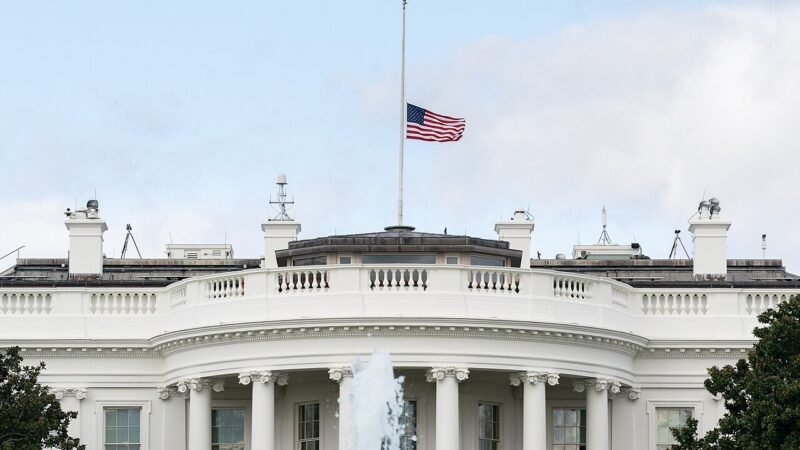
Announcing the move at the White House, the vice president singled out Microsoft, saying the company laid off about 6,000 American workers last year while benefiting from 6,300 H-1B visas and nearly 3,000 green cards, figures he presented as evidence of abuse. He argued that some companies advertise jobs in small-town newspapers in ways unlikely to reach qualified applicants, then use the lack of responses to justify foreign hiring, and said successful American companies had an obligation to hire American workers.
Microsoft is the largest filer of PERM applications, according to labour department data cited in coverage. The company had not immediately responded to requests for comment in the first reports. In an awkward juxtaposition noted by reporters, the announcement came hours before the president honoured technology billionaires for their contributions to the country, including Microsoft’s chief executive, who himself once held an H-1B visa, as did another of the honourees, while three of the other chief executives honoured are immigrants.
The action is the broadest strike yet against skilled-worker immigration programmes in the current administration’s effort to reduce the number of foreign-born people in the United States and narrow pathways to residence and citizenship. It also drew an unusual cross-ideological echo: Senator Bernie Sanders told an interviewer the same day that the H-1B programme has been greatly abused, while renewing his own long-standing criticism of corporate layoffs and calling for a path to citizenship for undocumented workers.
For technology companies, the immediate impact is uncertainty for thousands of employees mid-way through multi-year green-card queues, many of whom have built lives in the United States around an expected timeline that has now been frozen. Immigration lawyers note that the suspension restricts companies from beginning new PERM cases; it does not itself announce cancellation of cases already filed or of visas already held. A separate proposed fee on the Optional Practical Training programme for foreign graduates remains open for public comment until 9 November, according to reports.
How the investigations conclude, and whether the suspensions are lifted, narrowed or made permanent, will shape hiring far beyond the eight companies named. For now, the administration has made its message plain, and one of America’s most valuable companies is the example it chose to make.